
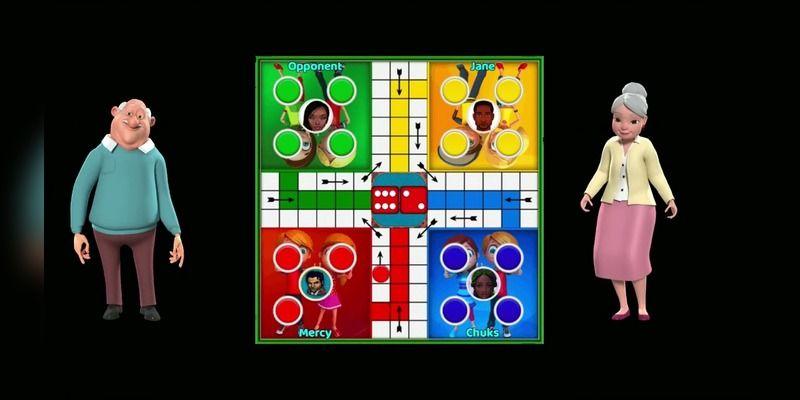
• On Similarweb’s Nigerian Google Play Top Free Games chart for 22 August, Naija Ludo was ranked number 19 and Naija Whot number 33.
• Both titles appeared on the same dated chart as global football, card and casual games, placing familiar local play on a very crowded mobile shelf.
• A chart position is not proof of revenue, downloads or a ready-made game business; it is a sign that discoverability is possible.
Everybody knows the silence before somebody drops the last card.
It is the little pause that makes Whot dangerous in a living room, a hostel or a long family visit. Ludo has its own language: the bad dice, the piece that is almost home, the person who takes the game personally after one capture. The rules travel easily because the memories do too.
That familiarity is part of what makes a small line in an app chart worth noticing. On Similarweb’s Nigerian Google Play Top Free Games ranking for 22 August, Naija Ludo, made by Tonielrosoft, appeared at number 19 in the Board category. Naija Whot, from the same developer, appeared at number 33 in Cards.
Those placements do not settle the business case for local games. They do raise a better question: can the games Nigerians already understand become products people want to keep, share and pay attention to on a phone?
Familiar rules are an opening, not the whole product
A local game has an advantage most new apps would pay for: it does not have to explain the basic feeling from zero. A player may already know why a six in Ludo matters or why a Whot card can change the room. That can make the first tap easier than it is for a completely unfamiliar game.
But recognising the rule is not the same as enjoying the app. A good mobile version still needs responsive controls, a clear first screen, fair multiplayer, sensible notifications and a reason to return after nostalgia has done its work. It also has to survive the ordinary realities of a phone: limited storage, a shaky connection, distractions and the cost of data.
That is the hard part for anyone building from culture. The reference can get people through the door. The design has to make them stay.
The chart is a signal. It is not a revenue report.
Similarweb’s page presents the list as a country, category and leaderboard ranking that is updated daily. It does not tell us how much money Naija Ludo or Naija Whot made, how many people played them, how long they played or whether either title is growing as a business.
That distinction protects the story from a common shortcut. A ranking can show that an app was visible in one store on one date. Revenue, retention, advertising performance, subscriptions and community are different questions with different evidence.
Still, visibility matters. On the same 22 August free-games chart, Dream League Soccer 2026 was number one while the top listings also included football, casino/cards and casual games. That context shows that local titles are competing on the same screen as international products with larger teams and recognisable brands.
What everyday culture can give a studio
The strongest local-game idea may not be a digital copy of a board. It may be a social experience built around how people actually play: the banter, the rematch, the family group, the friendly accusation that somebody is cheating and the small rituals around a game night.
That is where a Nigerian studio can be more specific than a generic “African game” pitch. It can make a product that understands its players without reducing them to a costume. The test is whether the cultural detail helps the game feel warmer, quicker or more social — not whether it merely appears on the loading screen.
The opportunity is real enough to explore, but it needs humility. A cultural reference is not a business model. A strong game still needs distribution, updates, customer support, a clean monetisation choice and an honest understanding of what players will tolerate.
Naija Ludo and Naija Whot being on that chart will not answer all of those questions. It does show that an old table argument can find a place on a modern phone.
Also read: Dream League is Nigeria’s top free game. What that says about how the country plays
Also read: A Nigerian architect turned burnout into a game about finding your way back
Which childhood or street game would you actually download if a Nigerian studio made it well? Tell us in the comments.
