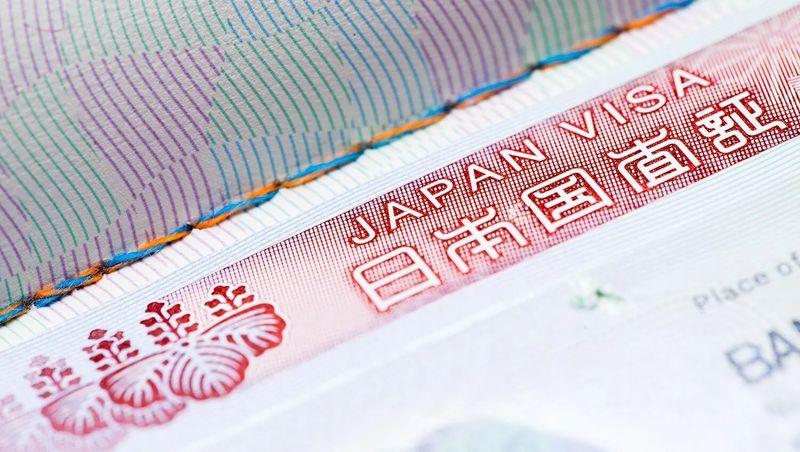
- Japan introduces stricter visa and immigration procedures for international students
- The Certificate of Eligibility remains one of the most important requirements in the process, as it confirms that applicants meet Japan’s immigration conditions for long-term study
- Students are expected to carry all immigration and visa documents when entering Japan for inspection at border control checkpoints
International students hoping to study in Japan will now face a stricter and more documentation-intensive visa process as authorities tighten immigration procedures for foreign applicants.
According to the Economic Times on Wednesday, May 13, official guidance published on the “Study in Japan” portal by the Japan Student Services Organization outlines several mandatory stages prospective students must complete before entering the country.
These include gaining admission into a recognised institution, obtaining a Certificate of Eligibility (COE), applying for a student visa, and completing post-arrival residence registration.
A major requirement in the process is the Certificate of Eligibility.
Official guidance states that the COE must be processed through a regional immigration services bureau in Japan, with the admitting institution usually acting on behalf of the applicant.
The COE serves as confirmation that the applicant satisfies Japan’s immigration conditions for long-term study.
Authorities warn that securing a student visa could become significantly more difficult without the document.
Students have also been encouraged to work closely with their universities or language schools to understand documentation requirements and application timelines.
Financial capacity has become another critical requirement for applicants.
Prospective students must provide evidence showing they can support themselves while living in Japan. This may include bank statements, income records, or proof of sponsorship funding provided either by the student or a sponsor.
The measure is aimed at ensuring international students can pay tuition fees, housing costs, and other living expenses throughout their stay.
After obtaining the COE, applicants are required to submit their visa applications through a Japanese embassy or consulate in their country or region of residence.
Documents typically required include a valid passport, completed visa application form, passport photographs, a copy of the Certificate of Eligibility, and any additional documents requested by immigration officials.
Students are also expected to carry these documents during entry into Japan for immigration inspection.
International students staying longer than three months will receive a residence card, known as a zairyu card, upon arrival at major airports including Narita, Haneda, Kansai, and Fukuoka.
Authorities also require students to register their residential address at a local municipal office within 14 days of arrival. The residence card must be carried at all times while residing in Japan.
Foreign residents are additionally assigned a 12-digit identification number called “My Number” after completing residence registration.
The number is used for taxation, banking, employment, and other administrative purposes. Students may also apply for a My Number card, which functions as an official identification document.
For students travelling to Japan only for entrance examinations, authorities require a Temporary Visitor visa supported by an official examination voucher issued by the institution conducting the test.
Depending on nationality, temporary stays may range from 15 to 90 days.
In some situations, students who pass their entrance examinations may still need to return to their home countries to apply for a formal student visa before resuming studies in Japan.
Overall, the updated process highlights Japan’s stricter approach to managing international student admissions, with increased focus on documentation, financial verification, and compliance after arrival.
UK to raise visa, ETA, and citizenship fees from April 2026
Meanwhile, TheRadar earlier reported that the United Kingdom government had announced a new round of increases to visa, travel authorisation, and citizenship fees, with the revised rates scheduled to take effect from April 8, 2026.
The changes would affect a wide range of applicants, including tourists, international students, skilled workers, and individuals applying for permanent residency or citizenship.
The move reflects the government’s continued upward review of immigration-related costs, with some categories experiencing moderate adjustments and others recording steeper increases, particularly for long-term stay applications.