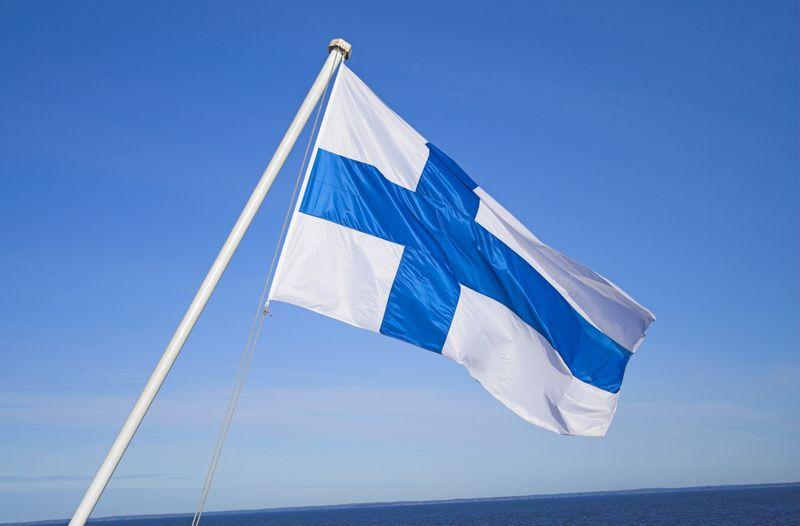
- Finland plans to introduce a citizenship test in Finnish or Swedish for naturalisation applicants
- The proposed exam would assess knowledge of Finnish society, laws, rights, and culture
- Officials say the new rule is aimed at improving long-term integration and civic awareness
Finland is considering a new citizenship test as part of plans to make its naturalisation process more demanding.
The proposed measure, announced by the Interior Ministry, would require applicants to show they understand Finnish society, laws, values, and institutions before they can become citizens.
According to Travel Biz, the new test could come into effect next year if it receives parliamentary approval.
Under the proposal, people applying for Finnish citizenship would need to pass an exam in either Finnish or Swedish, the country’s two official languages.
The goal is to ensure that applicants have a practical understanding of how Finland functions before being granted citizenship.
The test is expected to focus on major civic topics, including Finnish laws, the legal system, human rights, equality, gender equality, public services, history, and culture.
Authorities have also suggested that some people may not need to take the exam separately. Those who have completed a matriculation examination or earned a university degree in Finnish or Swedish could be exempt, depending on their academic qualifications.
Officials say the proposed test is designed to improve integration by ensuring that future citizens are more informed about the country they plan to join.
Interior Minister Mari Rantanen has said the measure is intended to encourage long-term integration and greater civic awareness among people seeking permanent settlement in Finland.
The citizenship test is part of a wider tightening of immigration policies introduced since the current government took office in 2023.
In recent years, Finland has already brought in tougher residency rules, stricter background checks, and more demanding financial requirements for applicants.
The government’s broader approach is aimed at making citizenship more closely tied to long-term economic participation and social integration.
Currently, applicants for Finnish citizenship must meet several conditions. In most cases, they must have lived continuously in Finland for at least five years, although some applicants may need up to seven years of residency.
Applicants are also required to show sufficient knowledge of Finnish or Swedish, usually through an approved language test or recognised educational qualification.
They must provide proof of stable income through work or business activities, clear criminal background checks, and valid identity documents.
Authorities may also consider other signs of integration, such as involvement in employment, education, or community life.
If approved, the proposed citizenship exam would become an additional requirement alongside existing rules on residency, language ability, finances, and identity verification.
For many future applicants, this would mean spending more time preparing to understand Finland’s civic systems, social values, and public institutions.
Canada increases immigration, citizenship fees for Nigerians, others
Meanwhile, TheRadar earlier reported that the Government of Canada had announced an upward review of application fees for permanent residence and citizenship, affecting Nigerians and other foreign nationals seeking to relocate.
The new fee structure will take effect on April 30, 2026, according to an official notice published by Immigration, Refugees and Citizenship Canada (IRCC).
The agency explained that the adjustment is part of efforts to sustain efficient service delivery while keeping up with inflation.