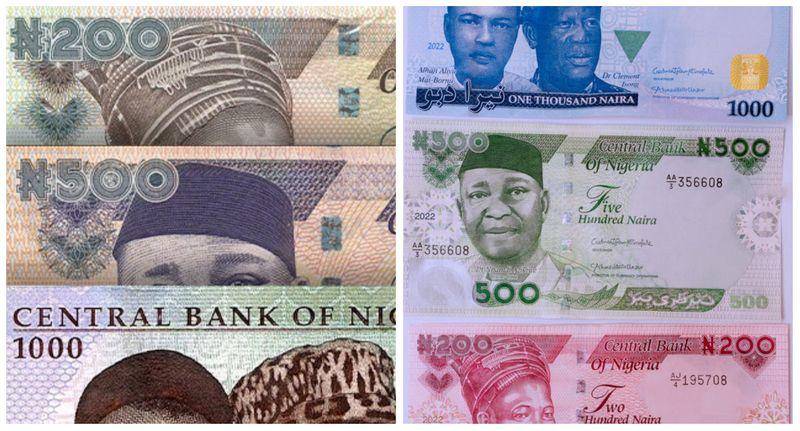
- Folashodun Shonubi, a former acting governor of the CBN, revealed in court that the controversial naira redesign was politically driven, contradicting earlier claims of financial inclusion and anti-corruption efforts
- Former governor of the apex bank, Godwin Emefiele, is under investigation for allegedly causing public distress and violating financial regulations during the redesign process
- The naira redesign led to increased inflation and cash scarcity, causing suspicions of political motivation, especially during a critical election period
Folashodun Shonubi, the former acting Governor of the Central Bank of Nigeria (CBN), has testified in court that the naira redesign implemented under his predecessor, Godwin Emefiele, was politically motivated.
This revelation comes in the wake of the policy’s infamy and Emefiele’s suspected partisanship in the buildup to the 2023 general elections.
For months, Emefiele and CBN officials claimed that the redesign would enhance financial inclusion, curb inflation, and combat corruption.
However, the outcome contradicted these assertions. Instead of fostering financial access, Nigerians faced severe cash shortages as banks struggled to adapt to a surge in digital transactions. Inflation skyrocketed to 21.82% in January 2023 and 21.9% in February, while concerns about rampant vote buying during elections further fuelled scepticism regarding the redesign's intentions.
Shonubi’s testimony sheds light on the internal processes surrounding the naira redesign, revealing that Emefiele admitted to political motivations behind the initiative. He stated that the final product of the redesign deviated significantly from what had originally been approved by former President Muhammadu Buhari.
The court heard that the CBN, under Emefiele's leadership, bypassed standard protocol for currency redesign. Shonubi explained that the Currency Management Department is typically responsible for initiating such changes, with the CBN's board required to approve any proposals before they are sent to the president for assent. Instead, Emefiele unilaterally created the redesign document that Buhari ultimately approved, raising questions about governance and adherence to established procedures.
As a result of these revelations, Emefiele now faces four charges from Nigeria’s financial crimes unit, which accuses him of causing public injury and acting illegally during the naira redesign process.
The implications of Shonubi's testimony complicate Emefiele’s defence and could lead to a conviction, especially following his failed presidential bid earlier this year.
The naira redesign saga left many Nigerians grappling with the economic fallout, especially as a deadline was set for the expiry of old notes until President Tinubu’s administration extended their validity infinitely.
CBN reinstates cybersecurity levy at reduced rate for 2024-2025 fiscal year
Meanwhile, in an earlier report, TheRadar reported that the Central Bank of Nigeria (CBN) has announced that it would continue enforcing the controversial cybercrime levy at 0.005% on all electronic transactions under its new 2024-2025 fiscal year guidelines. This percentage has reduced compared to the 0.5% set initially in May 2024 for the 2024-2025 fiscal year.
This levy was mandated by the Cybercrime (Prohibition, Prevention, etc.) Act of 2015, aimed at bolstering the nation’s cybersecurity infrastructure.