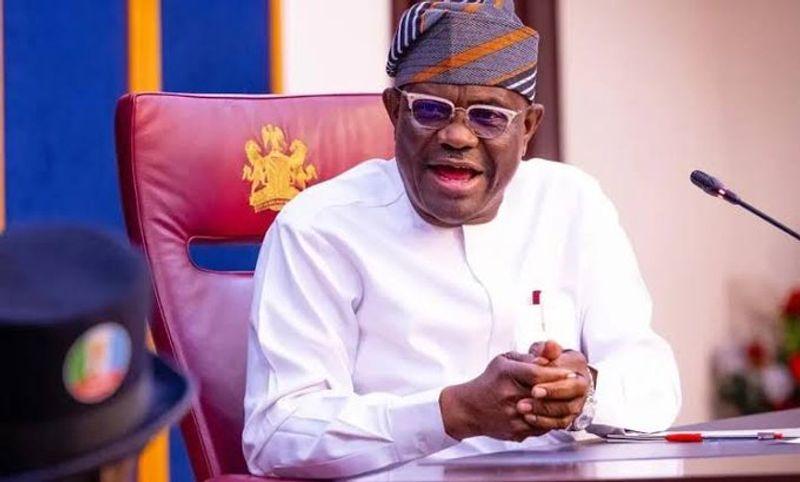
- FCT Minister Nyesom Wike proposes a 25% tax on individuals earning 1.5 million Naira and above annually to enhance federal revenue
- Wike argues that wealthier citizens should contribute more to support national development and fund essential services
- The proposal is likely to spark debate among stakeholders regarding its impact on investment and economic growth
FCT Minister Nyesom Wike has proposed a 25% tax on individuals earning 1.5 million Naira and above annually.
This initiative aims to bolster federal revenue and address the nation's economic challenges.
During a recent press briefing, Wike highlighted the importance of equitable taxation, arguing that wealthier citizens should contribute their fair share to support national development.
“In a country where the rich continue to thrive, it is only just that they bear a larger burden of taxation to support the less fortunate and fund essential services,” he stated.
The former RIvers governor's proposal reflects a growing sentiment among some policymakers that reforms are needed in Nigeria’s tax system to enhance revenue generation.
Wike pointed out that increased funding could help improve infrastructure, healthcare, and education, which are critical for the country’s development.
However, the suggestion has the potential to ignite debate among various stakeholders.
Critics may argue that such a high tax rate could discourage investment and economic growth, particularly in a country already grappling with economic challenges.
Conversely, supporters may advocate for the long-term benefits of increased government funding for social programs and public services.
Wike's proposal is expected to be a topic of discussion in upcoming legislative sessions as he seeks to garner support from lawmakers and the public. The outcome of this initiative could have significant implications for Nigeria's tax policy and economic landscape in the coming years.
Nationwide protest: Protesters demand Akpabio’s resignation, face heavy security
Meanwhile, TheRadar earlier reported that Senate President Godswill Obot Akpabio came under fire for his remark, “Let them protest, let us be eating,” concerning the nationwide hunger protest.
Akpabio's statement triggered widespread anger among Nigerians, who felt the Senate President lacked empathy and was insensitive to the citizens' struggles, resulting in the demand that he resign.