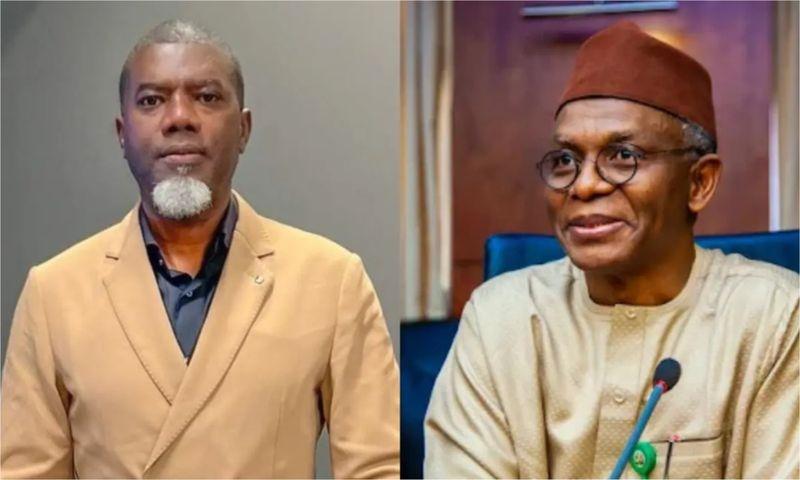
- Nasir El-Rufai denied on Arise TV that he knew or had met activist Abubakar Idris, popularly called Dadiyata, rejecting claims that the missing man had criticised his administration.
- Reno Omokri disputed the assertion on X, alleging that Dadiyata had openly criticised El-Rufai and raising further claims about the circumstances of his 2019 disappearance
- The renewed exchange revived public concern over Dadiyata’s unresolved abduction in Kaduna and broader questions about accountability and the safety of political critics in Nigeria
A fresh political row has erupted following comments by former Kaduna State governor, Nasir El-Rufai, regarding the disappearance of activist Abubakar Idris, popularly known as Dadiyata.
The controversy began after El-Rufai’s appearance on Arise TV on Friday, during which he denied ever knowing or meeting Dadiyata and rejected suggestions that the missing activist had been a critic of his administration.
However, former presidential aide Reno Omokri swiftly challenged those claims. In a post published on X, formerly known as Twitter, on Saturday, Omokri accused El-Rufai of attempting to mislead the public about the nature of Dadiyata’s activism and his stance towards the former governor’s tenure.
“Dadiyata was El-Rufa’i’s critic. And attached is the proof,” Omokri wrote, asserting that evidence existed to demonstrate that the activist had openly criticised policies and actions taken under El-Rufai’s administration in Kaduna State.
Omokri went further, making additional allegations concerning the circumstances surrounding Dadiyata’s disappearance in August 2019. He claimed that after the activist was abducted, El-Rufai’s son, Bashir, had reacted in a celebratory manner online — an allegation that has previously stirred public debate but remains contested.
In his statement, Omokri posed a pointed question about accountability and responsibility, writing: “If Nasir can threaten foreign election observers with death, is it Dadiyata that he can’t make disappear?” The remark references past controversies involving El-Rufai’s outspoken comments during his time in office.
Dadiyata was abducted from his residence in Kaduna on 2 August 2019 by unidentified individuals. Since that night, he has not been seen, and his whereabouts remain unknown. His disappearance sparked national and international concern, with human rights groups and civil society organisations repeatedly calling for a thorough and transparent investigation.
Marking Valentine’s Day, Omokri also appealed to public sentiment, stating that Dadiyata’s wife and their two young daughters “deserve to know what happened to their loved one”.
He concluded his post with a direct appeal: “Nasir, #WhereIsDadiyata?”
As of the time of writing, El-Rufai has not publicly responded to Omokri’s latest remarks. The renewed exchange has reignited public discourse around the unresolved case and broader questions regarding freedom of expression and the safety of political critics in Nigeria.