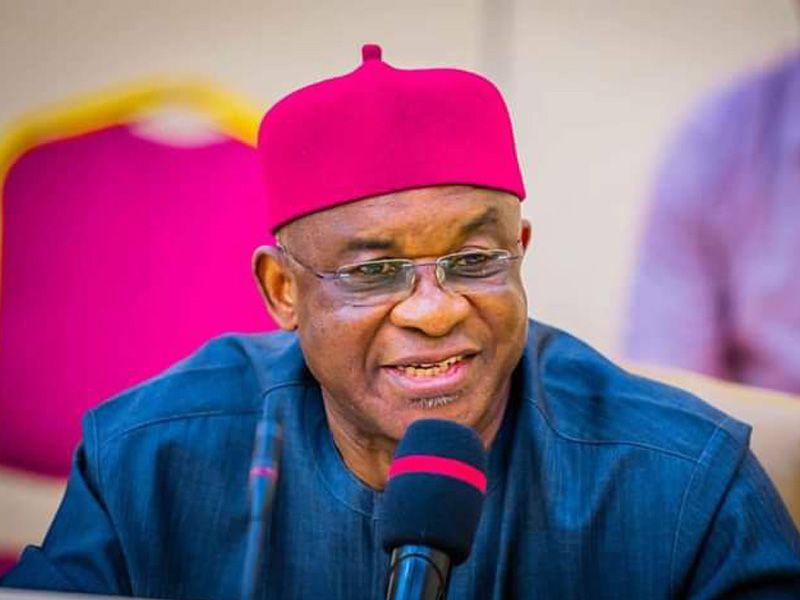
- Supreme Court had nullified the Appeal Court order against David Mark’s leadership
- The court had ruled the order was improper and not requested by any party
- INEC had been directed to recognise David Mark and ADC executives
The Supreme Court of Nigeria had vacated an earlier ruling by the Court of Appeal which barred the recognition of David Mark as the National Chairman of the African Democratic Congress (ADC).
In a unanimous judgment delivered on Thursday, the apex court held that the preservative order issued by the appellate court was made in bad faith and described it as unnecessary, unwarranted and improper.
Delivering the lead judgment, Justice Mohammed Lawal Garba ruled that the Court of Appeal had erred in granting an order that was not sought by any of the parties involved in the case. According to the Supreme Court, such a decision fell outside the proper exercise of judicial authority.
The disputed order, known as status quo ante bellum, had earlier directed that the existing situation before the legal dispute be maintained. This effectively led to the de-recognition of the ADC executive committee led by David Mark by the Independent National Electoral Commission (INEC).
However, with the Supreme Court’s decision to set aside the order, the legal basis for that directive was removed. The ruling cleared the way for the restoration of Mark and other national officers as the legitimate leadership of the party.
Legal analysts noted that the judgment reinforced the principle that courts must limit their rulings to issues formally presented before them, warning against judicial overreach in politically sensitive cases.
The development marked a significant turning point in the leadership tussle within the ADC, which had been complicated by conflicting court decisions and regulatory actions by electoral authorities.
With the apex court’s intervention, INEC is now expected to formally recognise David Mark and his executive committee as the duly constituted leadership of the party, bringing clarity to the dispute.
The ruling also underscored the Supreme Court’s role as the final arbiter in legal conflicts, particularly those with far-reaching implications for political parties and electoral processes in Nigeria.
Observers said the decision could stabilise the party’s internal structure ahead of future political activities, especially as preparations intensify for upcoming elections.