- Iran reclosed the Strait of Hormuz less than 24 hours after reopening it
- The Nigerian fuel marketers had projected petrol prices in Nigeria could fall to N900 per litre following the opening of the Strait of Hormuz
- However, the renewed closure has weakened hopes of any immediate price drop as PETROAN says current fuel prices may remain until a lasting ceasefire is reached
- President Donald Trump accused Iran of violating the ceasefire and threatened further action
Fresh hopes of a reduction in petrol prices in Nigeria have been thrown into uncertainty after Iran reclosed the Strait of Hormuz.
The strategic waterway was reopened on Friday, April 17, following a ceasefire agreement between Iran and the United States.
However, less than 24 hours later, Iran shut it again, citing the continued blockade of its ports by the United States as the reason.
Iran’s military announced on Saturday, April 18, that control of the Strait of Hormuz had “returned to its previous state.”
Reports also claimed that Iranian gunboats fired at a merchant vessel attempting to pass through the route.
The development is significant because the Strait of Hormuz handles nearly 20 per cent of the world’s oil trade, making it a major factor in global fuel prices.
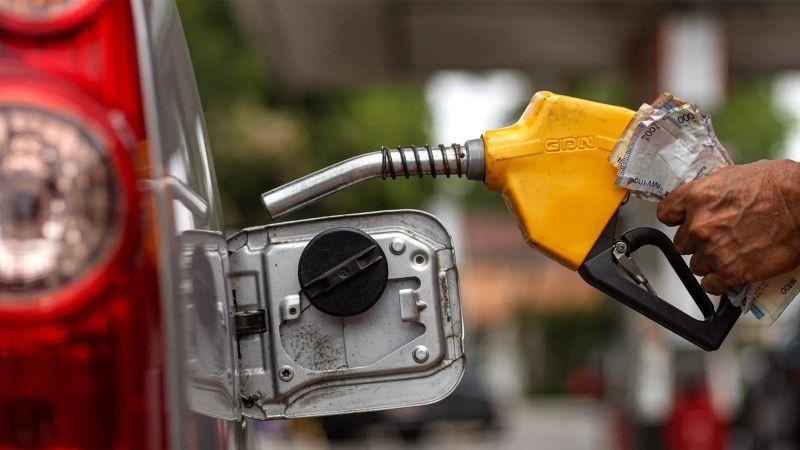
Before the latest closure, fuel marketers in Nigeria had projected that petrol prices could fall from the current N1,250 per litre to around N900 if the waterway remained open.
The spokesperson for the Petroleum Products Retail Outlet Owners Association of Nigeria, Joseph Obele, had said on Friday that crude oil prices had dropped sharply after the strait was reopened.
Obele noted that petrol sold for around N800 before February 28, when the Middle East crisis began, and suggested that prices could return to that range if stability was sustained.
“With the reopening of the Strait of Hormuz, Nigerians should expect a very significant reduction in petrol prices. Petrol will fall below N1,000 by next week, probably to N900 per litre. Don’t forget that the product was N800+ before the Middle East crisis. Now that the war is over, we should be expecting a return to that price regime,” he said on Friday.
However, speaking on Sunday, April 19, Obele said the renewed closure had disrupted those expectations.
According to him, petrol prices are likely to remain unchanged for now until Iran and the US reach a more lasting ceasefire agreement.
Although the strait was reclosed, oil prices have not surged dramatically so far.
Brent crude traded at around $90 per barrel on Sunday, April 19, slightly above the $88 recorded before the renewed closure, but still below the $95 mark seen on Friday morning.
Earlier in the week, oil prices had dropped below $90 after Iran temporarily reopened the Strait of Hormuz, easing fears over supply disruptions.
Meanwhile, the United States President, Donald Trump, accused Iran of violating the ceasefire agreement by attacking ships in the Strait of Hormuz.
“Iran decided to fire bullets yesterday in the Strait of Hormuz — a total violation of our ceasefire agreement!” he posted on Truth Social.
“That wasn’t nice, was it?”
Trump also repeated threats against Iran, saying the US could target key infrastructure if Tehran refuses to reach an agreement.
“We’re offering a very fair and reasonable deal, and I hope they take it because, if they don’t, the United States is going to knock out every single power plant and every single bridge in Iran,” he continued.
“No more Mr Nice Guy!” he said.
Trump added that negotiators would arrive on Monday, April 20, evening in Islamabad, after the city hosted earlier talks between both sides.
The current two-week ceasefire is expected to end on Wednesday, April 22.
UK leads global push to reopen Strait of Hormuz amid rising oil crisis
Meanwhile, TheRadar earlier reported that the United Kingdom announced plans to host a virtual meeting involving about 35 nations to deliberate on reopening the strategically vital Strait of Hormuz, which has been severely disrupted by the ongoing Middle East conflict.
Prime Minister Keir Starmer noted that the meeting would bring together key global stakeholders to address the crisis.
Key global players in the meeting including France, Germany, Italy, Japan, and the Netherlands pledged support.