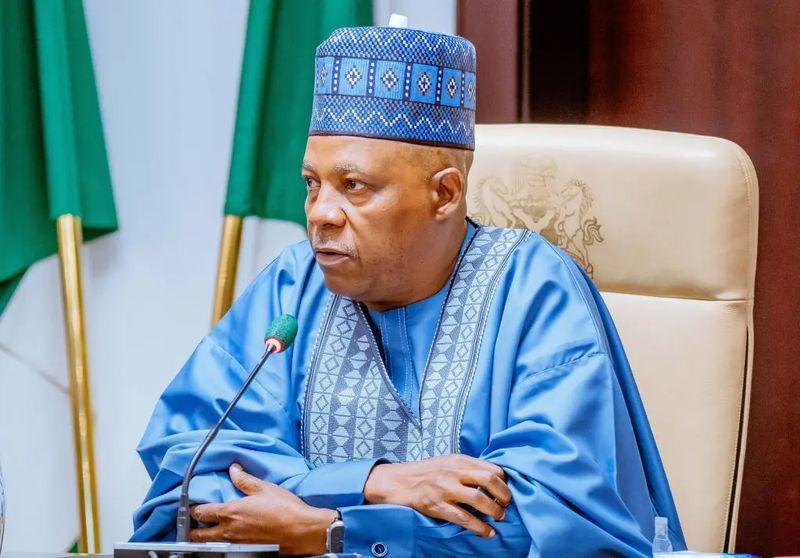
- Shettima had urged APC members to avoid destructive politics ahead of the 2027 elections
- He had described the party as a family that must not be torn apart by internal ambitions
- He had warned against mistaking political disagreements for betrayal or hostility
Nigeria’s Vice President, Kashim Shettima, had called on leaders, aspirants, and supporters of the ruling All Progressives Congress (APC) to desist from engaging in destructive politics as preparations for the 2027 general elections gathered momentum.
In a statement issued on Wednesday and titled “2027: Don’t Pull Down the Roof”, Shettima emphasised the importance of unity within the party, likening the APC to a family that must not tear itself apart over internal ambitions and rivalries.
The Vice President observed that the political season had already begun to take shape, marked by consultations across wards, local governments, party offices, and even private residences. He noted that such activities were a reflection of a functioning democratic system, where power remained subject to negotiation, contest, and persuasion.
According to him, the flurry of political engagements — including aspirants reaching out to stakeholders, elders receiving delegations, and supporters strategising over delegate counts — demonstrated that Nigeria’s democracy remained vibrant. However, he cautioned that the season also brought with it significant risks.
Shettima warned party members against falling into the trap of equating disagreement with betrayal or competition with hostility. He further cautioned against interpreting political preferences as exclusion and relying on media narratives as definitive truth.
“The political season is here again. We don’t have to pull down the roof. We all should desist from destructive politics,” he said, urging stakeholders to approach the emerging contests with maturity and restraint.
The Vice President’s remarks came amid growing political manoeuvring within the APC, as potential aspirants and power blocs began positioning themselves ahead of the next electoral cycle. His message underscored the need for cohesion within the ruling party to maintain stability and strengthen its electoral prospects.
Political observers suggested that Shettima’s intervention aimed to pre-empt internal conflicts that had previously threatened party unity during election cycles. By advocating for constructive engagement and mutual respect, the Vice President sought to reinforce a culture of healthy competition within the party.
As Nigeria gradually moved towards another election season, his call served as a reminder of the delicate balance between ambition and unity in sustaining democratic progress.