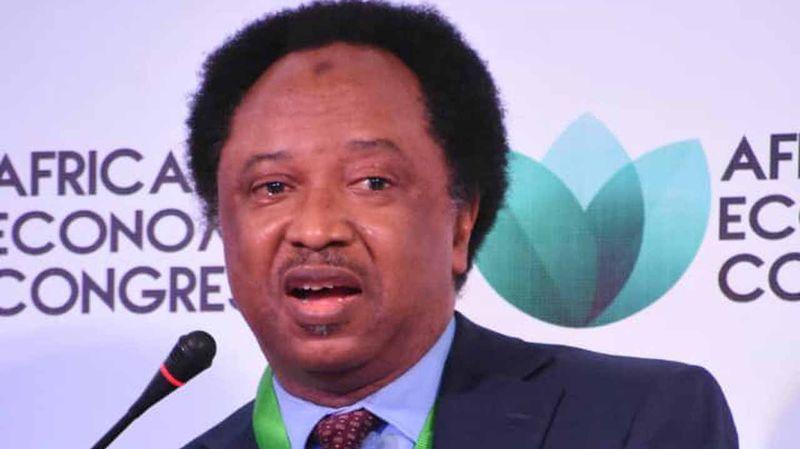
- Shehu Sani described the US-Iran conflict as a stalemate with no clear winner
- He said Donald Trump appeared fatigued by the prolonged war
- He urged global experts to study Iran’s resilience under intense pressure
Former Kaduna Central senator Shehu Sani has weighed in on the recent tensions involving the United States, Israel, and Iran, describing the situation as a stalemate with no clear victor.
In a statement shared on X (formerly Twitter), Sani suggested that Donald Trump appears fatigued by the prolonged conflict, adding that neither the United States and its allies nor Iran achieved a decisive outcome.
“Trump is tired of the war. Trump and Israel didn’t win the war and Iran didn’t lose the war,” Sani wrote, framing the confrontation as inconclusive despite its intensity.
His remarks come amid ongoing global discussions over the geopolitical implications of the confrontation involving Iran, United States, and Israel. While the conflict has drawn widespread attention, analysts remain divided over its long-term consequences and strategic outcomes.
Sani called on military experts and the international community to closely examine Iran’s resilience, particularly its ability to withstand sustained military and political pressure. He noted that Iran faced attacks from what he described as some of the world’s most advanced powers and their allies, yet managed to remain operational.
“Military experts and nations of the world need to study how Iran was able to fight and withstand the most advanced superpower and its satellite states despite the elimination of its leaders,” he added.
The former lawmaker further argued that the scale of pressure endured by Iran would have overwhelmed many other nations. “No nation on earth would have survived this,” he stated, highlighting what he views as the country’s strategic endurance.
Sani’s comments add to a growing chorus of voices analysing the balance of power in the Middle East and the evolving nature of modern warfare. His characterisation of the conflict as a stalemate reflects broader concerns about the absence of clear resolutions in contemporary geopolitical disputes.
As debates continue, global observers are expected to further scrutinise the military, political, and diplomatic dimensions of the confrontation, as well as its implications for regional stability and international relations.