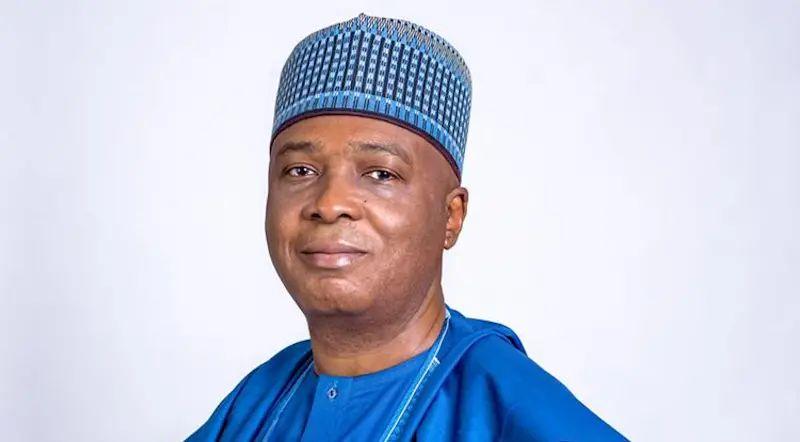
- Bukola Saraki had rejected claims that Bola Tinubu influenced his legal challenges during Muhammadu Buhari’s administration
- He had described such allegations as unfair, insisting Tinubu lacked the influence many attributed to him at the time
- Saraki had maintained that his prosecution stemmed from decisions made during his tenure as Senate President
Former Senate President Bukola Saraki has dismissed claims that President Bola Tinubu played a role in the political and legal challenges he faced during the administration of former President Muhammadu Buhari.
Speaking on Politics Today on Channels Television, Saraki described such allegations as unfair, insisting that Tinubu did not wield the level of influence many attributed to him within Buhari’s government.
“That’s not fair on President Tinubu. During former President Buhari’s administration, Tinubu didn’t have the say that they claimed he had,” Saraki said.
The former Senate President addressed long-standing speculation that Tinubu may have influenced the legal battles he encountered while in office, including his trial before the Code of Conduct Tribunal and investigations related to the Offa robbery incident. Saraki maintained that Tinubu was not involved in those decisions.
According to him, the actions that led to his prosecution were not orchestrated by the current president, stressing that responsibility should not be wrongly assigned.
Saraki further explained that his tenure as Senate President was guided by what he believed to be in the best interest of the country, even though those decisions ultimately resulted in what he described as political persecution.
“I was doing what I felt was in the interest of the country as the President of the Senate, and for doing those things I was then persecuted,” he stated.
He reiterated that Tinubu neither initiated nor implemented the processes that culminated in his trial at the Code of Conduct Bureau or other allegations brought against him during that period.
Saraki’s remarks provide fresh perspective on the internal dynamics of the Buhari administration, particularly regarding perceptions of influence and responsibility among key political figures. His clarification is likely to reshape ongoing debates about the roles played by prominent actors during one of Nigeria’s most politically charged periods.