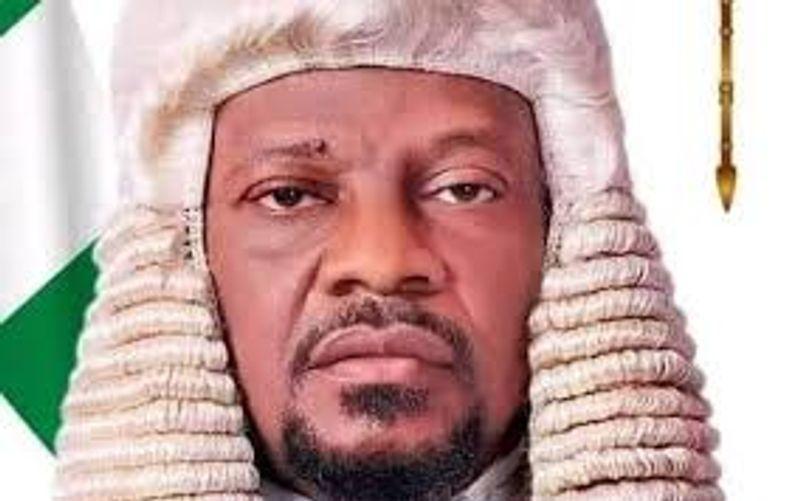
- The Rivers State House of Assembly screened nine commissioner-nominees submitted by Governor Siminalayi Fubara
- Five nominees were confirmed, while four—Professor Datonye Alasia, Barrister Tamuno Williams, Otonye Amachree, and Charity Deemua—were rejected
- Speaker Martin Amaewhule emphasised competence, integrity, and transparency as priorities in the vetting process for the executive council
The Rivers State House of Assembly has rejected four of the nine commissioner-nominees submitted by Governor Siminalayi Fubara, while confirming five others following a rigorous screening exercise.
The session, presided over by Speaker Martin Amaewhule, took place on Monday and lasted for over two hours. In his summation, Amaewhule explained that the nominees were evaluated based on their performance during the screening and in response to issues raised in petitions against them.
“Distinguished colleagues, we have nine nominees forwarded to this Assembly by the governor. At the end of the screening exercise, the House has confirmed five of them,” the Speaker said.
He added that the four nominees who were rejected failed to demonstrate adequate preparation or suitability for the offices they were nominated to occupy. “We feel that they are not square pegs in square holes for the offices that they intend to occupy in the Rivers State Executive Council,” he noted.
The rejected nominees are Professor Datonye Alasia, Barrister Tamuno Williams, Otonye Amachree, and Charity Deemua. Those confirmed as commissioners-designate are Tonye Belgam, Professor Temple Nwafor, Dr Peters Nwagor, Lekue Kenneth, and Amarigha Edward-Hart.
Amaewhule stated that the Assembly would forward a letter to the governor requesting the swearing-in of the five confirmed nominees as soon as possible. The House adjourned plenary to Tuesday, 17 March 2026.
The screening exercise highlights the Assembly’s commitment to ensuring that nominees possess the requisite competence and integrity to serve in the state executive council. Lawmakers emphasised that transparency and accountability remain key priorities in the vetting of public officeholders.