- The House of Representatives recommended lifting the blanket ban on degree certificates from Benin and Togo
- Lawmakers proposed a case-by-case verification system to target academic fraud without punishing legitimate graduates
- The committee called for collaboration with educational authorities in both countries to improve authentication and regulatory oversight
The House of Representatives has urged the Federal Government to lift the blanket ban on degree certificates obtained from the Republic of Benin and Togo, advocating a more measured approach to tackling academic fraud.
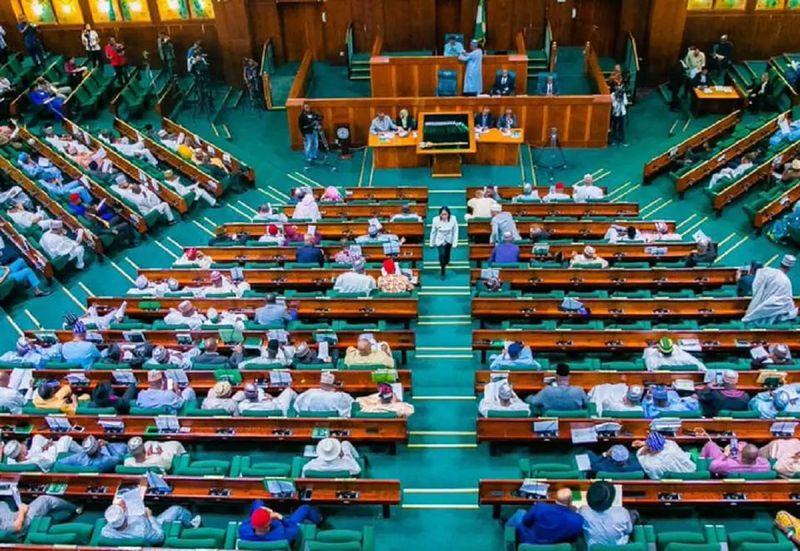
The call followed the presentation and adoption of a report by the House Committee on Public Petitions during Wednesday’s plenary session. The committee’s chairman, Laori Kwamoti, explained that the recommendations were based on a petition submitted by Sovereignty Legal Practitioners on behalf of stakeholders in the education sector.
The petition challenged the government’s decision to nullify all degrees from institutions in the two West African countries, a move initially prompted by concerns over certificate fraud. The committee warned that the blanket invalidation could unfairly penalise graduates who legitimately earned their qualifications.
“The measure could inadvertently punish students who genuinely obtained their degrees while only targeting fraudulent practices,” Kwamoti said during the plenary.
To address the issue, the lawmakers recommended implementing a case-by-case verification system, which would allow authorities to identify and sanction instances of academic malpractice without punishing all certificate holders. This approach, the committee argued, would balance the need to curb fraud with fairness to legitimate graduates.
The House also called for stronger collaboration between the Federal Ministry of Education and educational authorities in Benin and Togo to enhance verification procedures, strengthen regulatory oversight, and ensure proper authentication of foreign qualifications.
The Federal Government had, in January 2024, suspended the accreditation and evaluation of degree certificates from Benin and Togo following an undercover report that revealed widespread certificate racketeering. While the ban was aimed at preserving academic integrity, it sparked concerns among graduates and employers about its broad scope and unintended consequences.
Education experts have welcomed the House’s intervention, describing a case-by-case system as a more practical solution to maintaining standards while safeguarding the rights of legitimate graduates. They argued that targeted verification would reduce bureaucratic bottlenecks and improve trust in cross-border academic qualifications.
The House’s recommendations will now be forwarded to the Federal Government for consideration, signalling a potential shift in policy that could restore recognition to thousands of affected Nigerian graduates.