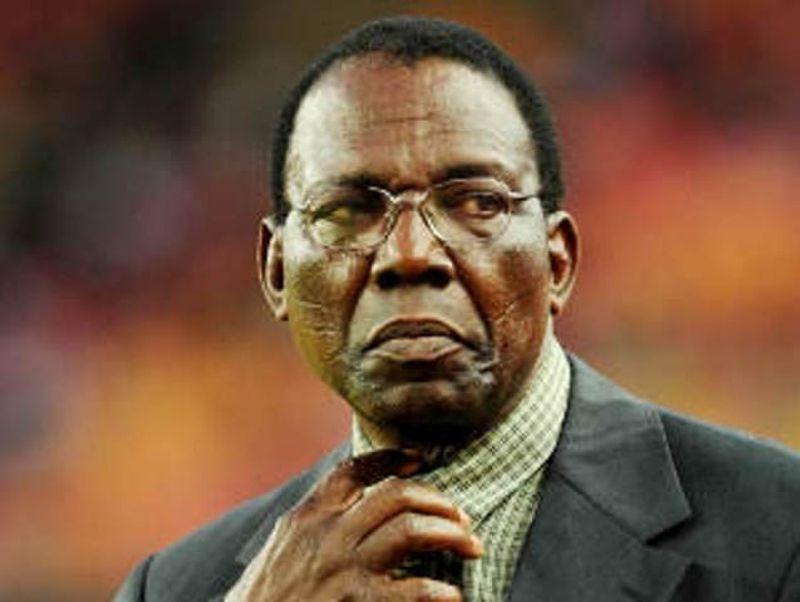
- Veteran football administrator and former Super Eagles coach Adegboye Onigbinde passed away on Monday at the age of 88
- President Bola Tinubu commended Onigbinde’s contributions to grassroots football, national team success, and coach development in Nigeria
- Onigbinde was remembered for leading Nigeria to the 1984 Africa Cup of Nations final and participating in the 2002 FIFA World Cup, leaving a lasting football legacy
President Bola Tinubu has expressed deep condolences to the family, colleagues, and associates of veteran football administrator and former Super Eagles head coach, Adegboye Onigbinde, who passed away on Monday at the age of 88.
The President’s message, conveyed in a statement released on Tuesday by his Special Adviser on Information and Strategy, Bayo Onanuga, also extended sympathy to the Nigeria Football Federation, the National Sports Commission, professional colleagues, and football fans across the country.
Onigbinde, a Modakeke high chief, distinguished himself as the first indigenous coach of the national team in 1982 and left a lasting legacy in Nigerian football. President Tinubu commended his contributions to grassroots football development and the strengthening of football administration nationwide.
He also highlighted Onigbinde’s historic leadership of the Super Eagles, noting that he guided Nigeria to the final of the 1984 Africa Cup of Nations. “The accomplished football manager will be remembered for his discipline, integrity, foresight, and passion for the round-leather game,” the President said, praying for the repose of the late coach and comfort for his family.
The Onigbinde family announced his passing on Monday in a message signed by family member Bolade Adesuyi.
During his illustrious career, Onigbinde led Nigeria to the 2002 FIFA World Cup co-hosted by Japan and South Korea. The Super Eagles were eliminated in the group stage after defeats to Argentina (1–0) and Sweden (2–1), followed by a goalless draw against England.
Earlier, he had coached the national team—then called the Green Eagles—between 1982 and 1984, culminating in the 1984 Africa Cup of Nations final, where Nigeria lost 3–1 to Cameroon. Later that year, Onigbinde took charge of Shooting Stars Sports Club in Ibadan, guiding the team to the final of the African Cup of Champions Clubs, narrowly losing to Zamalek SC of Egypt.
Following his national team tenure, Onigbinde remained a respected figure in Nigerian football and contributed internationally as a technical instructor for both the Confederation of African Football (CAF) and FIFA, shaping generations of coaches and players with his experience and expertise.
His death marks the loss of one of Nigeria’s pioneering football tacticians, remembered for his dedication, professionalism, and enduring impact on the game.