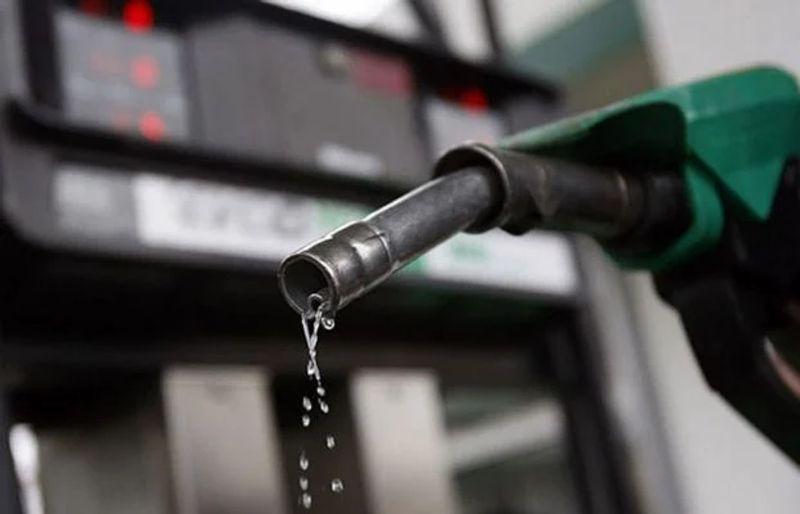
- Dangote Petroleum Refinery increased the gantry price of Premium Motor Spirit to ₦1,175 per litre, the third hike in a single week
- Diesel prices also rose to ₦1,620 per litre, reflecting higher replacement and operational costs in a volatile market
- The surge prompted downstream marketers to raise retail petrol prices above ₦1,000 per litre, increasing economic pressure on Nigerians
The cost of goods and services across Nigeria is set to rise further after Dangote Petroleum Refinery increased the gantry price of Premium Motor Spirit (PMS) to ₦1,175 per litre, marking the third upward adjustment within a single week.
The price revision comes shortly after reports projected a potential surge following the temporary suspension of petrol sales at the refinery on Sunday. On Monday, the refinery notified marketers that PMS would rise from ₦995 per litre, announced just on Friday, to ₦1,175 per litre — an 18.1 per cent increase of ₦180 in three days.
The refinery also revised the gantry price of Automotive Gas Oil (diesel) to ₦1,620 per litre, reflecting rising replacement and operational costs in a volatile market.
A senior refinery official, speaking on condition of anonymity, confirmed the adjustments to journalists, stating, “Yes, the gantry prices have been adjusted. PMS is now ₦1,175 per litre while Automotive Gas Oil is ₦1,620 per litre. The market has been extremely volatile, and replacement costs have shifted significantly in recent days. These adjustments reflect prevailing market fundamentals and the cost environment we are currently operating in.”
Checks on industry pricing platforms, including petroleumprice.ng, indicate that downstream marketers have already updated retail pricing systems in line with the new benchmark. As a result, petrol pump prices in several states now exceed ₦1,000 per litre, with some stations charging about ₦1,200 per litre, putting additional economic strain on Nigerians.
This latest hike is expected to trigger further price increases across the country, as rising fuel costs typically lead to higher transportation, logistics, and production expenses for businesses.
The surge comes amid efforts by the Federal Government and the Nigerian National Petroleum Company Limited (NNPC) to secure crude oil supply for the Dangote refinery through international traders, aiming to stabilise domestic refining operations. However, officials cautioned that these interventions may not immediately result in lower petrol prices for consumers.
With the $20 billion Lekki-based refinery continuing to push domestic production, Nigerians are now grappling with escalating fuel costs that threaten to ripple through the economy, affecting transportation, commodity prices, and everyday household expenditures.