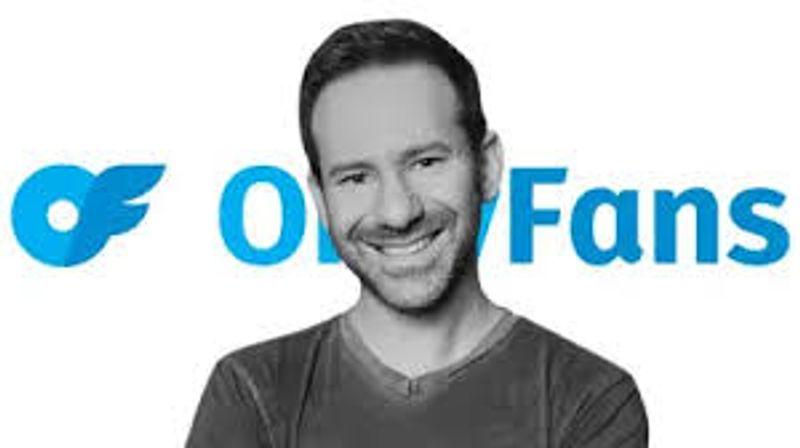
- Leo Radvinsky died aged 43 after a prolonged battle with cancer
- He transformed OnlyFans into a multi-billion-dollar global platform after acquiring it in 2018
- The billionaire earned billions in dividends as the platform recorded $7.2bn in user spending in 2024
Leo Radvinsky, the billionaire owner of the adult content platform OnlyFans, has died at the age of 43 following a prolonged battle with cancer.
A spokesperson confirmed his passing in a statement on Monday, saying the company was “deeply saddened” by the loss. “Leo passed away peacefully after a long battle with cancer,” the spokesperson said, adding that his family had requested privacy during this difficult period.
Radvinsky, a Ukrainian-born entrepreneur who later became an American citizen, was widely known for building a vast fortune through digital ventures. At the height of his success, he reportedly earned up to $1.8 million per day from his businesses.
According to an online obituary, he died in Pompano Beach, Florida, where he resided with his family.
The businessman had an estimated net worth of $4.7 billion, much of it tied to Fenix International Limited, the firm that owns a majority stake in OnlyFans. Radvinsky served as both a director and majority shareholder of the company and was also recognised for his work as a philanthropist and angel investor.
He acquired OnlyFans in 2018 from the Stokely family in the United Kingdom. Under his ownership, the platform experienced rapid global expansion, becoming one of the most prominent subscription-based content services.
In 2024, users spent a record $7.2 billion on the platform, highlighting its immense commercial success. According to Bloomberg, Radvinsky paid himself $1.8 billion in dividends between 2021 and 2025.
Despite its financial success, reports indicated that he had explored selling the platform last year but encountered difficulties in securing a buyer, with analysts pointing to the challenges associated with its adult content business model.
Radvinsky’s death marks the end of a controversial yet highly influential career in the digital economy, where he played a central role in reshaping the monetisation of online content.