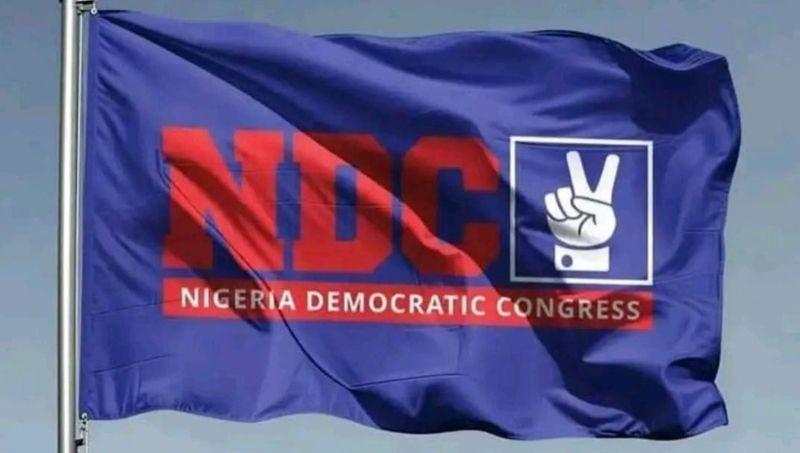
- Peter Obi and Rabiu Kwankwaso defected from ADC to NDC ahead of the elections
- Dr Adebayo claimed that 10 million Nigerians registered with NDC within 24 hours
- Critics questioned Obi’s chances, but supporters insisted his popularity remained strong nationwide
The South-West Coordinator of the Obi-Kwankwaso (OK) Movement, Dr Adefolaseye Adebayo, has claimed that approximately 10 million Nigerians registered with the Nigerian Democratic Congress (NDC) within 24 hours of Peter Obi joining the party.
The assertion follows a significant political shift involving Obi and Rabiu Kwankwaso, who both defected from the African Democratic Congress (ADC) to the NDC on Sunday, ahead of the next general elections. The move has stirred debate across Nigeria’s political landscape, with critics suggesting it could weaken Obi’s presidential prospects.
However, speaking during an interview on Arise TV on Monday, Dr Adebayo dismissed such claims, insisting that Obi’s political strength lies in his widespread national appeal rather than party affiliation.
“Mr Peter Obi has a lot of followership across Nigeria. You can’t say that Obi’s chances or the chances of the South-East have reduced drastically. Twenty-four hours after Peter Obi left the ADC, 10 million Nigerians registered with the NDC, and that says a lot,” she said.
Adebayo further emphasised that Obi’s popularity cuts across Nigeria’s six geo-political zones, underscoring his perceived national reach and influence. According to her, the growing support base reflects confidence in Obi’s personality, leadership style and governance record, rather than the platform on which he contests.
The reported surge in registrations, if verified, could signal a notable boost for the NDC as it positions itself for the forthcoming elections.
Political analysts note that party defections often reshape alliances and voter dynamics in Nigeria, though the long-term impact depends on organisational strength, grassroots mobilisation, and electoral strategy.
Obi, who previously served as governor of Anambra State, has remained a prominent figure in Nigeria’s opposition politics, with a reputation for fiscal prudence and reform-oriented leadership.
His alliance with Kwankwaso, a seasoned political figure from northern Nigeria, is also seen by some observers as an attempt to broaden regional appeal and consolidate support across key voting blocs.
Despite the enthusiasm expressed by supporters, questions remain regarding the structure and readiness of the NDC to translate increased registrations into electoral success.
As the political climate intensifies, attention will likely focus on how the party leverages this momentum and whether it can maintain cohesion among its new and existing members.