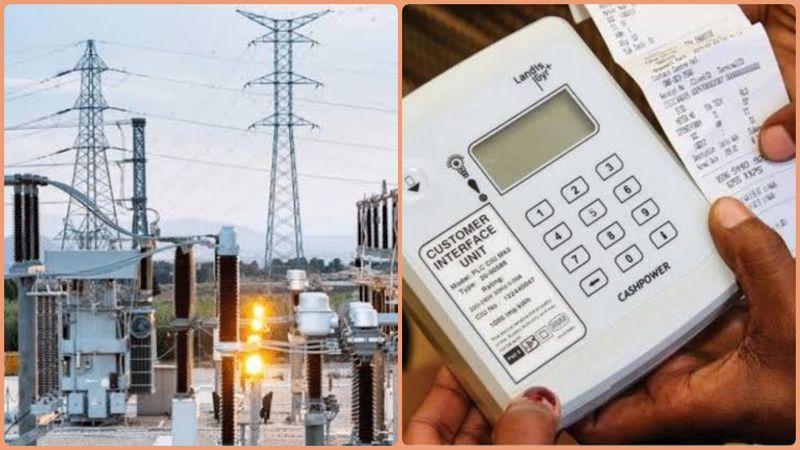
- Nigeria to increase electricity tariffs by two-thirds to reflect the actual cost of supply
- Olu Verheijen emphasised the need for higher tariffs to fund maintenance and attract private investment into the power sector
- Government subsidies for less-affluent consumers to remain to protect vulnerable populations
The Nigerian government has announced plans to raise electricity tariffs by approximately two-thirds in the coming months, according to Olu Verheijen, the Special Adviser to President Bola Tinubu on Energy.
Speaking at the Mission 300 Energy Summit in Dar es Salaam, Tanzania, which was held from Monday to Wednesday, January 27-28, Verheijen stated that the increase is necessary to reflect the actual cost of supplying electricity.
‘Tariff hike necessary to improve power sector’
“Nigeria’s power prices need to rise by about two-thirds for many customers to reflect the cost of supplying it.
“Higher electricity tariffs, which need to be balanced by subsidies for less-affluent consumers, are required to fund the maintenance needed to improve reliability and to attract private investors into power generation and transmission,” Verheijen stated.
Verheijen explained that the hike would be essential to fund maintenance efforts and improve the reliability of the power sector, while also attracting private investors into power generation and transmission.
She emphasised that a balance would be needed, with subsidies for less-affluent consumers to protect vulnerable populations.
Verheijen added that the increase is needed so the sector can generate the revenue required to draw in private capital while also safeguarding the poor and vulnerable.
She also highlighted the pressing need for significant investment in Nigeria’s power industry. Currently, the country has 14 gigawatts of installed power capacity, but only 8GW can be transmitted nationwide, and just 4-5GW is being delivered directly to homes and businesses.
“One of the key challenges we’re looking to resolve over the next few months is transitioning to a cost-efficient but cost-reflective tariff,” Verheijen stated.
Government’s electricity subsidy is unsustainable
A senior official from the Nigerian Electricity Regulatory Commission (NERC) confirmed that most electricity customers, except those already in Band A, should prepare for a tariff that better reflects the cost of production.
The official, who spoke anonymously, noted that the current subsidy burden on the government was unsustainable and that the failure to pay the subsidy to distribution companies (Discos) was negatively impacting their liquidity.
“A cost-reflective tariff is coming sooner or later. The government can no longer shoulder the responsibility of paying subsidies. It is no longer sustainable. So, all customers should get set for new tariffs,” the official stated.
Electricity tariffs should be charged based on consumption not ‘bands’ – MAN
Meanwhile, TheRadar earlier reported that the Manufacturers Association of Nigeria said electricity tariffs should be charged based on consumption, not bands.
According to the report, the association said tariff charges by ‘bands’ were discriminatory and unjust.