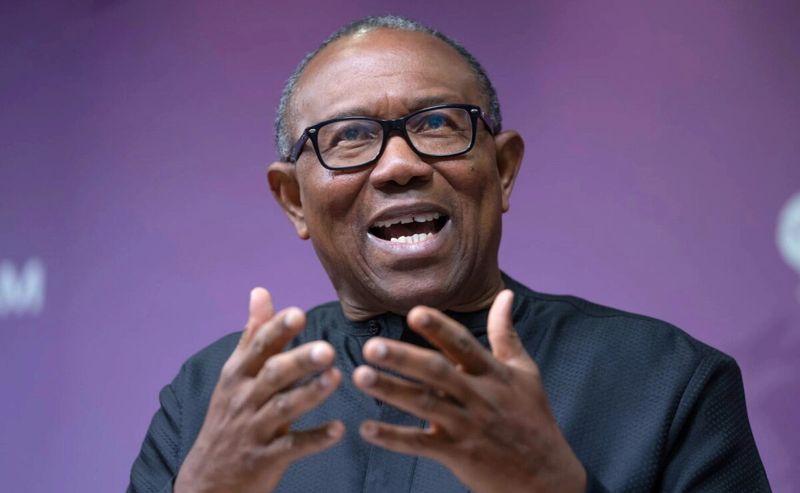
- Former Labour Party candidate Peter Obi raised alarm over worsening insecurity across Nigeria, calling the situation “unbearable”
- He cited attacks in Borno, Nasarawa, Kogi, Benue, Oyo, Ondo, Kebbi, and Abuja, including mass kidnappings and displacement of thousands
- Obi urged the federal government to prioritise citizen safety, while critics questioned the accuracy and severity of his claims
Former Labour Party presidential candidate, Peter Obi, has raised serious concerns over the worsening insecurity across Nigeria, describing the situation as “unbearable” and affecting multiple states across the country.
Obi, who previously served as governor of Anambra State, made the statement on his official social media page, highlighting a series of recent attacks that have left communities in distress. In Borno State’s Ngoshe community, he said terrorists overpowered soldiers, killing them alongside several civilians and abducting over 100 women and children.
He also pointed to incidents in Nasarawa, Kogi, and Benue states, where entire villages have been forced to flee after terrorists disrupted farms and local markets. In Nasarawa’s Kadarko area alone, Obi noted that 14,318 civilians are now registered as internally displaced persons (IDPs).
The former governor additionally cited attacks in Oyo, Ondo, and Kebbi states, where travellers and residents have been abducted or attacked. He also highlighted a troubling development in Kubwa, Abuja, where about 19 citizens were reportedly kidnapped from their homes earlier this week.
Describing these events as national tragedies, Obi called on the federal government to place citizens’ security above political interests. “The sacrifice of our brave and dedicated soldiers is passed in silence,” he wrote, advocating that fallen soldiers receive dignified burials and formal recognition from political authorities. He added, “Nigerians deserve commitment and leadership that puts their safety and welfare first.”
Obi’s comments drew a strong reaction from Alubarika, a youth advocate, farmer, and social media influencer, who challenged the accuracy of the claims. “You are clearly the one whose brain is under siege, perhaps by your village people,” Alubarika wrote. He accused Obi of speaking recklessly in his pursuit of the presidency and argued that insecurity, while real in certain areas, has been “minimal” in most parts of the country.
Alubarika also compared Nigeria’s security situation to other countries, including the United States, suggesting that such challenges are not unique to Nigeria. His remarks highlight the ongoing debate about national safety, governance, and political accountability.
As insecurity continues to rise, questions remain about how effectively Nigeria’s leadership can respond to the crisis, protect citizens, and provide urgent support to displaced communities.