
- MDCAN revealed that 1,321 medical consultants left Nigeria in the last five years due to the "japa syndrome.”
- Only 6,216 consultants remain in public healthcare, with 1,752 set to retire within five years
- MDCAN urges the government to raise the retirement age for consultants to 70 and reform the healthcare system
The Medical and Dental Consultants Association of Nigeria (MDCAN) has expressed concerns over the exodus of 1,321 medical consultants to foreign countries in the last five years.
This brain drain, popularly known as the "japa syndrome," is taking a toll on Nigeria’s health sector.
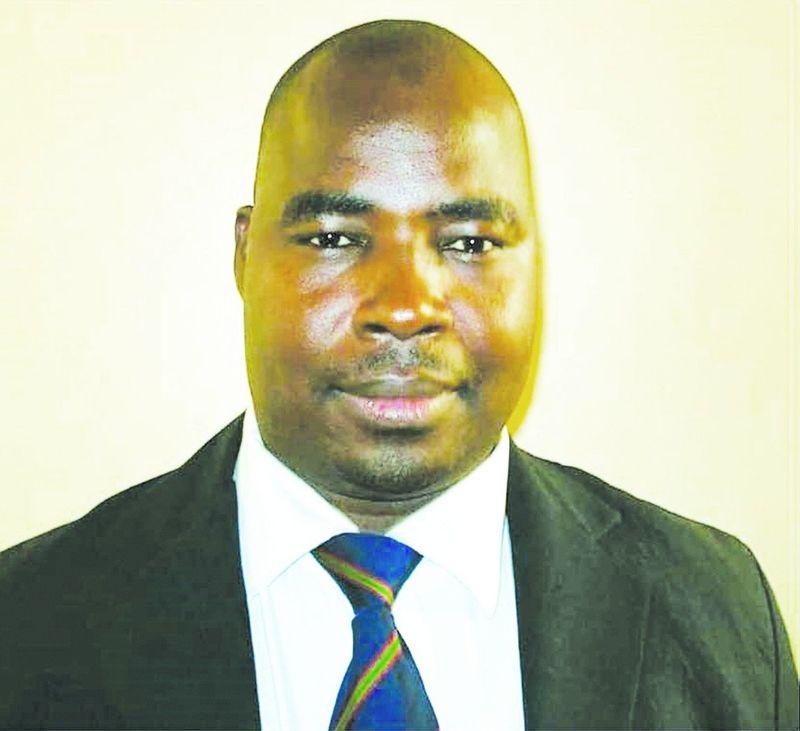
Speaking with PUNCH Healthwise, the MDCAN President, Prof. Aminu Mohammad, highlighted that the shortage of senior doctors is already straining the sector and could worsen significantly by 2030 if urgent steps are not taken.
Mohammad, a paediatric surgeon, disclosed that Nigeria currently has only 6,216 consultants in public health facilities, comprising 3,000 hospital consultants and 1,700 honorary consultants.
However, 1,752 of these professionals are aged 55 years and above, making them likely to retire within the next five years.
Consultants' exodus: A grim outlook
A study conducted by MDCAN in 2024 across federal and state hospitals revealed that the nation is producing only 100–150 consultants annually—far below what is required to replace those retiring or emigrating.
Mohammad warned that if the current trend persists, Nigeria could have less than half its current number of consultants within five years.
“So, even if it is the same number that migrated in the last five years they will migrate in the next five years, plus the number of those who have migrated who are going to retire in the next five years, excluding any other exits away from the civil service; voluntary retirement, demise and many other things, then you will discover that in the next five years we are going to have less than about half of this number,” he explained.
Impact on healthcare
The shortage of medical consultants is already causing delays in surgeries, specialist consultations, and medical procedures.
Mohammad pointed out that the ratio of consultants to Nigeria’s growing population is alarmingly low, with one consultant serving about 25,000 to 30,000 Nigerians.
For comparison, Nigeria has about 60,000 practicing doctors, but this translates to one doctor for every 2,500–3,000 citizens—far short of the global standard of one doctor for every 600 individuals.
“This shortage also impacts medical training, as universities are limited by the number of teachers available to train medical students. This, in turn, affects the production of doctors and specialists,” he said.
Additionally, teaching hospitals struggle to recruit specialists.
“For instance, departments like anaesthesia often advertise positions but fail to attract applicants. This undermines the training of post-graduate doctors, as every specialist is expected to train one or two replacements,” Mohammad noted.
Addressing the crisis
Mohammad emphasised the need for the government to address the root causes of brain drain in the health sector.
He suggested increasing the retirement age of consultants to 70 years and conducting a comprehensive review of the healthcare system, focusing on training, retention, and deployment of medical personnel.
The MDCAN president urged the government to prioritise policies that retain specialists and improve working conditions to stem the tide of emigration and safeguard the future of Nigeria’s healthcare system.
Japa: “Stop going to countries worse than Nigeria” - NIDCOM chairman Dabiri warns
Meanwhile, TheRadar earlier reported that the chairman of the Nigerians in Diaspora Commission (NIDCOM), Hon. Abike Dabiri-Erewa appealed to Nigerians to stop migrating to countries that are in worse conditions than Nigeria.
She said this in a video posted on her X handle, @abikedabiri, on Wednesday, October 2. While addressing the viral video of Nigerians calling for help from a prison in Mali, the NIDCOM boss said some girls who were previously evacuated by the Nigerian Government returned to Mali.
