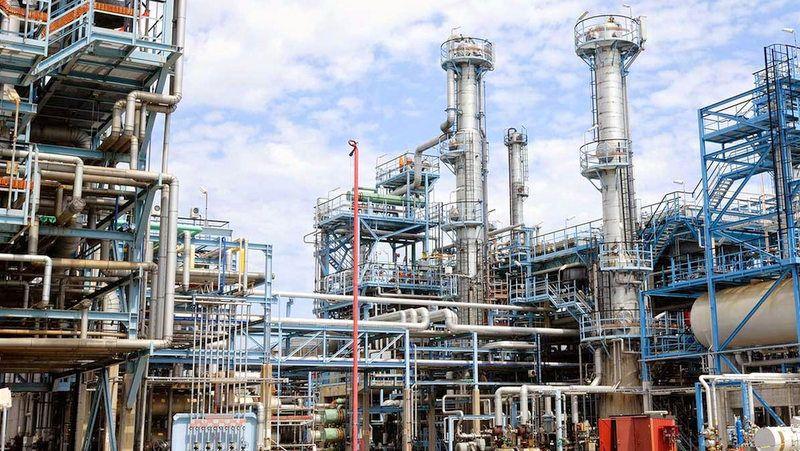
- Local refineries supplied 3.18 billion litres of petrol in Q1 2026
- Petrol imports declined by 60.2 per cent compared with Q1 2025
- Dangote refinery remained the dominant source of domestic petrol supply in Nigeria
Nigeria’s dependence on imported petrol reduced significantly in the first quarter of 2026 as local refineries supplied 3.18 billion litres of Premium Motor Spirit, while imports dropped sharply to 965.52 million litres, according to official data analysed from the Nigerian Midstream and Downstream Petroleum Regulatory Authority.
The NMDPRA figures showed that total petrol supply between January and March 2026 stood at 4.14 billion litres, with local refining accounting for 76.7 per cent of supply, while imported products contributed 23.3 per cent.
Although the regulatory authority did not directly identify the refinery responsible for the bulk of domestic supply in its quarterly report, industry data indicated that the Dangote Petroleum Refinery remains the only refinery currently producing petrol commercially on a large scale in Nigeria.
The development marked a major shift from the same period in 2025, when domestic refineries supplied only 1.99 billion litres, while marketers imported 2.43 billion litres of petrol. Total supply in the first quarter of 2025 stood at 4.42 billion litres.
An analysis of the NMDPRA data revealed that local refinery supply rose by 59.2 per cent year-on-year, climbing from 1.99 billion litres in Q1 2025 to 3.18 billion litres in Q1 2026. In contrast, petrol imports declined by 60.2 per cent from 2.43 billion litres to 965.52 million litres within the same period.
Despite the strong increase in local refining output, total petrol supply dropped by 6.2 per cent year-on-year, falling from 4.42 billion litres in Q1 2025 to 4.14 billion litres in the corresponding period of 2026.
In January 2026, local refinery supply reached 1.24 billion litres, while imports stood at 698.19 million litres, bringing total supply to 1.94 billion litres. Daily average supply from local refineries rose to 40.07 million litres, compared with 19.1 million litres recorded in January 2025.
However, February witnessed a sharp decline in total supply. Local refinery output dropped to 824.45 million litres, while imports plunged to 85.10 million litres. Total supply for the month stood at 909.55 million litres, representing one of the lowest monthly supply levels in recent periods.
Supply conditions improved again in March 2026, with local refinery production recovering to 1.11 billion litres and imports rising slightly to 182.24 million litres. Total supply for the month reached 1.29 billion litres.
The NMDPRA’s April 2026 FAAC report further showed that petrol supply increased by 42.29 per cent between February and March 2026. However, truck-out distribution declined from 1.59 billion litres in February to 1.47 billion litres in March.
The report reinforced the growing influence of the Dangote refinery in Nigeria’s downstream oil sector. Earlier reports showed that the refinery exported approximately 434 million litres of petrol in March 2026 after significantly surpassing domestic consumption demand.
The refinery was also reported to have operated at an average capacity utilisation of 93.62 per cent during the period, strengthening its position as the dominant supplier of refined petroleum products in the country.
Speaking in an earlier interview, Aliko Dangote stated that the refinery had sufficient stockpiles to satisfy Nigeria’s domestic fuel demand.
“Right now, we have more than half a billion litres in storage. The refinery is producing enough refined products, gasoline, diesel and kerosene to meet all of Nigeria’s needs,” he said.
Despite the reduction in imports, energy experts maintained that Nigeria still relies partly on imported petrol to stabilise supply and pricing dynamics.
Renowned energy economist Wumi Iledare cautioned against claims that petrol importation had completely ended, noting that the country’s downstream market still depends on broader supply and market realities.
Similarly, the Chief Executive Officer of petroleumprice.ng, Jeremiah Olatide, described the increase in domestic refining capacity as a major milestone in Nigeria’s efforts to reduce dependence on imported petroleum products.