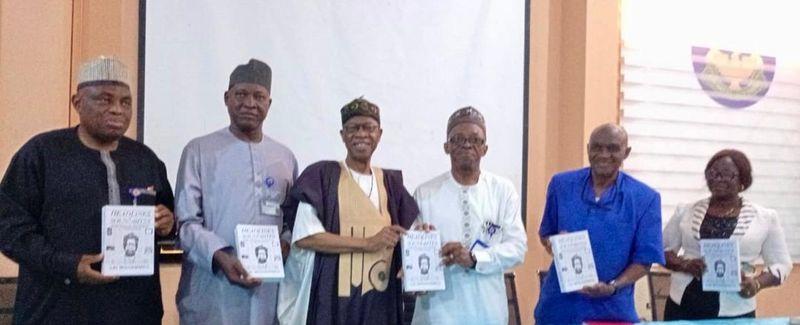
- Lai Mohammed had said strategic communication was used to promote Nigeria’s culture and tourism sectors
- Major festivals and tourist sites had been leveraged to boost national and international visibility
- He had donated his book to the University of Ilorin to support scholarship and historical documentation
Former Minister of Information and Culture, Lai Mohammed, has underscored the importance of strategic communication in advancing Nigeria’s cultural and tourism sectors, describing it as a key tool for national development.
He made the remarks on Wednesday while donating copies of his book, Headlines & Soundbites: Media Moments that Defined an Administration, to the University of Ilorin in Kwara State.
According to Mohammed, his tenure as minister saw a deliberate effort to reposition Nigeria’s cultural heritage and tourism potential through targeted communication strategies. He explained that routine official engagements were transformed into high-impact media events aimed at boosting visibility and engagement.
One of the key approaches, he noted, involved attending major festivals and touring tourist destinations alongside media professionals, thereby ensuring consistent coverage and storytelling around Nigeria’s cultural assets.
This strategy, he said, helped elevate notable events such as the Argungu International Fishing Festival, the Osun-Osogbo Festival, and the Calabar Carnival. These platforms, he explained, were leveraged not only for entertainment but also for economic promotion and the projection of national identity on a global stage.
Mohammed also highlighted visits to key tourism and cultural sites, including the Owu Waterfalls, the National Theatre Lagos, and the National Museum Onikan, as part of efforts to showcase the country’s rich heritage.
He further pointed to the introduction of a National Festival Calendar, which he said brought structure and predictability to cultural events, making them more appealing to tourists and investors alike.
On the international front, Mohammed cited Nigeria’s participation in the Royal Edinburgh Military Tattoo as a significant milestone in promoting Nigerian culture globally. He noted that such engagements reinforced the narrative that the country’s true wealth lies in its people, traditions, and creativity.
“These initiatives demonstrate how purposeful and consistent communication can transform culture into a powerful instrument for economic diversification and national identity,” he said.
Mohammed explained that his book was written to document key moments and provide context often missing from public discourse. He stressed that effective communication is essential to governance and that historical accounts are incomplete without the perspectives of those directly involved.
He expressed appreciation to the University of Ilorin for accepting the donation, adding that he hopes the book will contribute to academic research and encourage critical thinking among students.