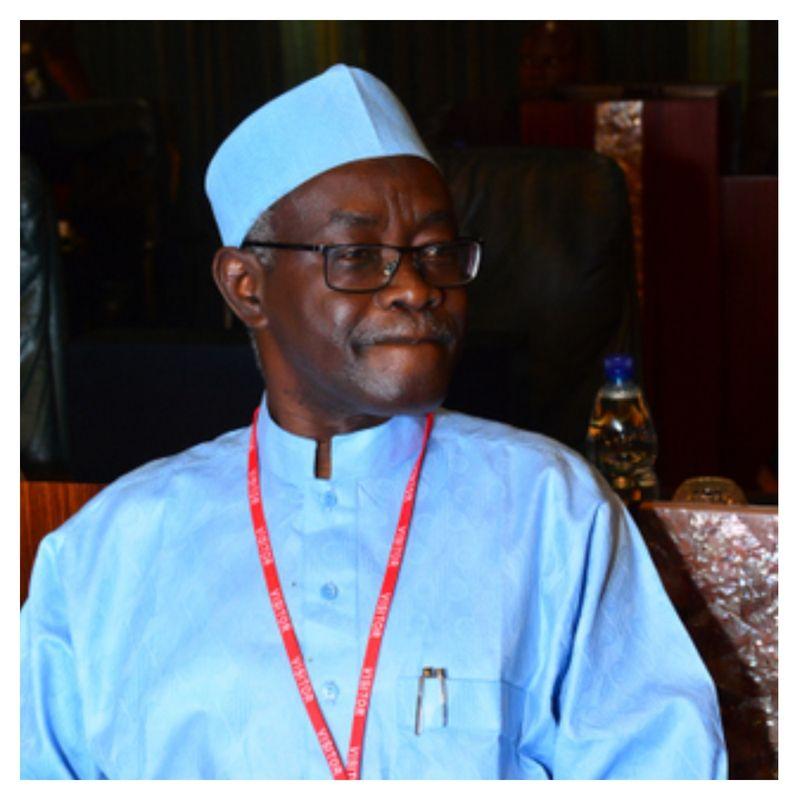
- INEC National Commissioner Muhammed Haruna cautioned that the use of technology in elections would inevitably come with technical glitches due to Nigeria’s infrastructure limitations
- He made the remarks while reacting to the amended Electoral Act signed into law by President Bola Tinubu, less than 24 hours after its passage by the National Assembly
- Haruna stressed that adding further technological layers to result transmission could worsen existing challenges, underscoring the need for a cautious and phased approach
A National Commissioner of the Independent National Electoral Commission (INEC), Muhammed Haruna, has cautioned that the use of technology in elections will inevitably be accompanied by technical glitches, stressing the need for gradual implementation in light of Nigeria’s infrastructure challenges.
Haruna made the remarks on Monday during an interview on Trust TV, monitored by DAILY POST, while reacting to the recently amended electoral legislation signed into law by Bola Tinubu.
The President assented to the Electoral Act, 2022 (Repeal and Re-Enactment) Bill 2026 less than 24 hours after it was passed by the National Assembly, marking a significant development in the country’s electoral framework ahead of future polls.
Commenting on the amendment, Haruna emphasised that while technology can enhance transparency and efficiency, it is not a flawless solution to the complexities of conducting elections in a country as vast and diverse as Nigeria.
“There will always be glitches,” he said. “Gradual implementation of technology is crucial, especially given existing infrastructure challenges.”
He noted that there is a widespread misconception that technological tools can provide a comprehensive remedy to electoral challenges without complications. According to him, even the current system faces hurdles in transmitting basic polling unit results electronically.
“There’s a misunderstanding that technology offers a universal solution without issues. We already face difficulties transmitting simple polling unit results,” he explained.
Haruna warned that introducing additional technological layers — such as aggregating all polling unit results at the ward level before transmission — could compound existing problems rather than resolve them.
“Introducing additional technological layers, such as aggregating all polling unit data at the ward level for transmission, would only exacerbate these problems,” he added.
His comments come amid ongoing national debate over the appropriate role of technology in elections, particularly following past concerns over result transmission and connectivity in remote areas. While proponents argue that expanded technological integration could improve credibility and speed, critics have pointed to inconsistent network coverage, power supply issues and the risk of system failures on election day.
Haruna’s position underscores INEC’s cautious approach, signalling that any expansion in the use of technology must be carefully phased and supported by improvements in critical infrastructure to avoid undermining public confidence in the electoral process.