- INEC had urged broadcasters to ensure fairness and professionalism ahead of the 2027 elections
- Joash Amupitan had warned that misinformation could threaten democratic outcomes
- The commission had called for stronger collaboration to enforce electoral media regulations
The Independent National Electoral Commission (INEC) has emphasised the vital role of broadcast media in safeguarding Nigeria’s democracy, urging strict adherence to fairness, professionalism, and accuracy ahead of the 2027 general elections.
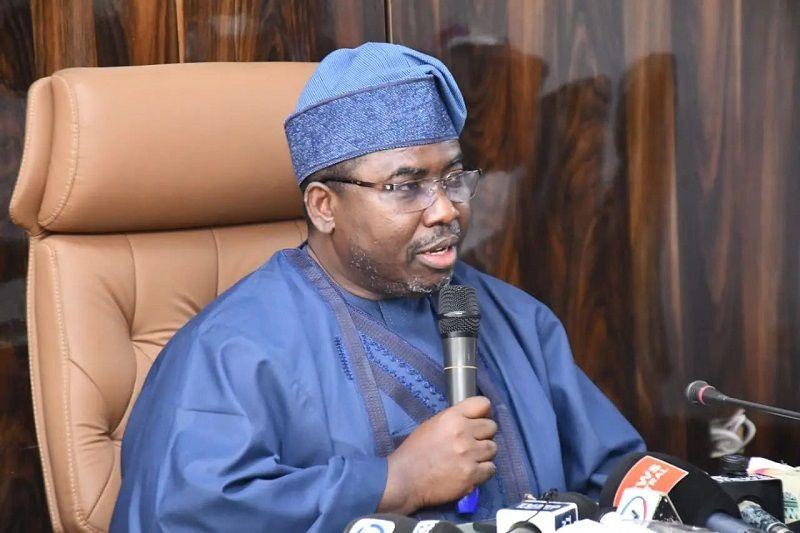
Speaking at the 81st General Assembly of the Broadcasting Organisations of Nigeria (BON) in Abuja, INEC Chairman Joash Amupitan highlighted the growing influence of broadcast platforms in shaping political discourse and public trust.
Amupitan warned that the management of the airwaves under the Electoral Act 2026 would be decisive in determining electoral credibility. According to him, the media has become a cornerstone of democratic engagement.
“Your airwaves have become the primary infrastructure of our democracy. If they are clear, the nation sees the truth; if they are clouded by misinformation, the sovereign will of the people is threatened,” he said.
The INEC chairman drew attention to key provisions of the Electoral Act 2026, including requirements for equal access to media platforms by political parties and candidates. He stressed that state-owned media must not be used to favour or disadvantage any political interest.
He also reiterated that airtime should be allocated fairly and at comparable hours, ensuring a level playing field. In addition, Amupitan cautioned against inflammatory campaign messages, noting that political communication must not incite religious, ethnic, or sectional tensions.
The commission further reminded broadcasters of restrictions on campaign-related content within 24 hours of polling day, warning that violations would constitute an offence under the law.
Despite acknowledging reforms introduced by the new legislation, Amupitan expressed concern about enforcement challenges, regulatory overlaps, and the rising influence of digital media. He warned that these issues could weaken the effectiveness of existing rules if not properly addressed.
To tackle these challenges, he called for stronger collaboration among stakeholders, proposing closer cooperation between INEC, BON, security agencies, and the judiciary to ensure compliance and accountability.
With the 2027 elections drawing closer, INEC revealed that fewer than 300 days remain until the presidential and National Assembly polls. Amupitan urged broadcasters to take proactive steps in combating misinformation and promoting civic participation.
He encouraged real-time fact-checking, greater voter mobilisation, and a commitment to ethical journalism, warning against prioritising financial gains over public interest.
“In the 2027 General Election, the most dangerous weapon will not be violence, but misinformation amplified by irresponsible broadcasting,” he cautioned.
INEC chairman denies plot to make Nigeria one-party state
Meanwhile, TheRadar earlier reported that the Chairman of the Independent National Electoral Commission (INEC), Joash Amupitan, had denied allegations that he is part of any plan to turn Nigeria into a one-party state.
Amupitan stressed that he had no involvement in any agenda aimed at undermining Nigeria’s multi-party democracy, insisting that the commission’s actions are guided strictly by legal and judicial directives