
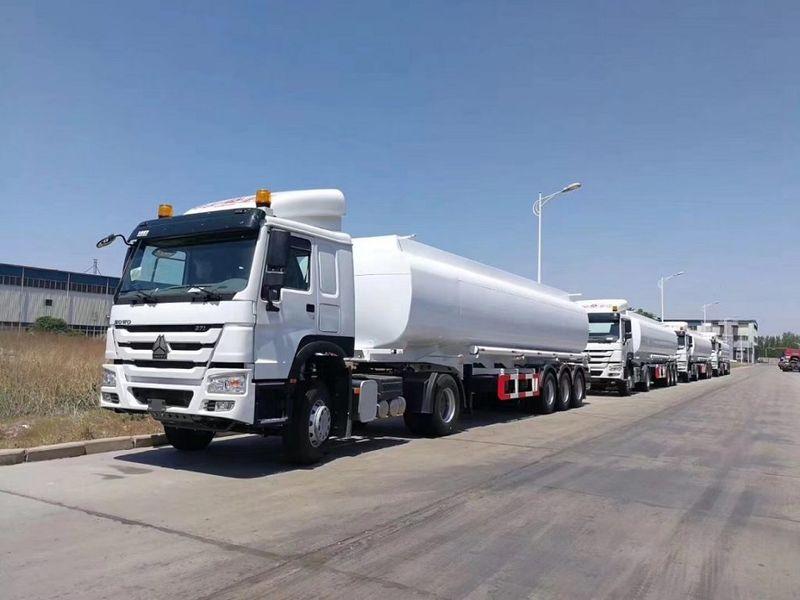
- The federal government bans 60,000-litre fuel tankers to reduce road accidents, effective March 1, 2025
- The decision follows multiple deadly crashes, including a fatal explosion in Niger State
- NMDPRA says the ban will enhance road safety and prevent tanker-related tragedies
In a decisive step toward enhancing road safety, the Federal Government has placed a ban on fuel tankers exceeding 60,000 litres, set to take effect from March 1, 2025.
The move is aimed at addressing the frequent accidents caused by oversized petroleum trucks on Nigerian roads.
The Nigerian Midstream and Downstream Petroleum Regulatory Authority (NMDPRA) announced the decision in response to a rising number of deadly crashes involving these tankers.
A particularly tragic incident at Dikko Junction in the Gurara Local Government Area of Niger State in January, which led to multiple fatalities, further underscored the urgency of the ban.
Ogbugo Ukoha, NMDPRA’s Executive Director of Distribution Systems, Storage, and Retailing Infrastructure, disclosed the development during a press briefing in Abuja on Wednesday, February 19.
He stated that the restriction is part of broader efforts to reduce truck-related accidents and enhance the safe transportation of petroleum products nationwide.
To ensure a smooth transition, a technical stakeholders' committee was formed to map out strategies for implementing 10 key resolutions aimed at mitigating road incidents involving fuel tankers.
The committee includes representatives from critical agencies such as the Department of State Services, the Federal Fire Service, the Federal Road Safety Corps, and the Standards Organisation of Nigeria.
Also involved are industry stakeholders like the National Association of Road Transport Owners, the National Union of Petroleum and Natural Gas Workers, and the Depot and Petroleum Products Marketers Association of Nigeria.
“This is a landmark agreement, as all relevant parties have come together to ensure the safe and efficient movement of petroleum products. We are committed to working collectively to prevent further tragedies on our roads,” Ukoha stated.
Following extensive deliberations, all stakeholders agreed that, from March 1, 2025, no tanker exceeding the 60,000-litre limit would be allowed to load fuel at any depot across the country.
7 fuel tanker explosions that have rocked Nigeria in recent years
Meanwhile, TheRadar earlier reported that the death toll from fuel tanker explosions now exceeds 555 people over the last five years, with no signs of the crisis abating.
Poor road conditions, reckless driving, and inadequate vehicle maintenance are often cited as contributing factors to these accidents.
TheRadar compiled 7 notable tragedies linked to fuel tanker explosions.
