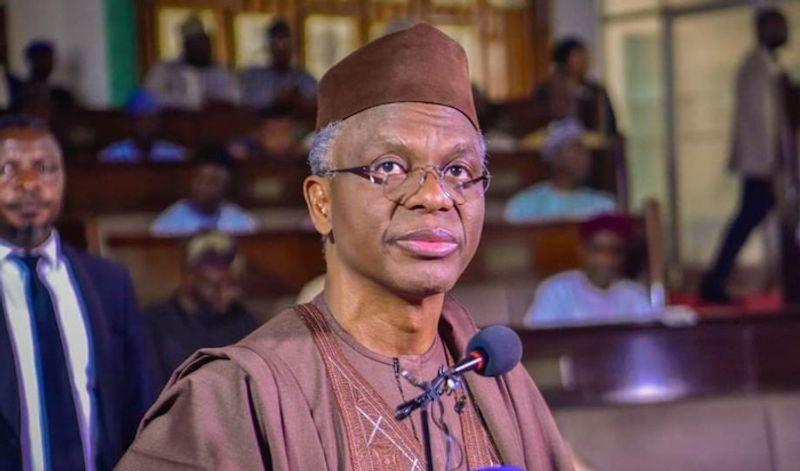
- Nasir El-Rufai had declared that the ADC would not adopt zoning or consensus in its presidential primary process
- He said all aspirants would be allowed to contest freely in line with the party’s commitment to internal democracy
- El-Rufai had dismissed claims that the ADC lacked grassroots support, describing the party’s growing influence nationwide
Former Kaduna State Governor, Nasir El-Rufai, has declared that the African Democratic Congress (ADC) will not adopt zoning or any form of consensus arrangement in its presidential primary ahead of Nigeria’s next general elections, insisting that the party is committed to an open and transparent democratic process.
Speaking during an interview on Trust TV, El-Rufai said the ADC has resolved to conduct free, fair and credible primaries in which all aspirants will be given equal opportunity to contest, without pressure, imposition or forced withdrawal. According to him, the party’s leadership believes that internal democracy is critical to building credibility and public trust.
He explained that the ADC is currently focused on laying a strong foundation ahead of the primaries by developing its manifesto and policy framework, while also engaging with prospective aspirants at all levels. These include presidential, governorship and legislative hopefuls, as part of efforts to foster unity and ensure a smooth primary process.
“At the top level, we are preparing our manifesto and our platform,” El-Rufai said. “We are also working on getting our presidential aspirants, governorship aspirants, and other aspirants to come together and agree on a process that will guarantee free and fair primaries.”
El-Rufai emphasised that the party has taken a firm position against zoning, a practice often used by political parties in Nigeria to rotate power among regions, as well as against consensus candidacy, where aspirants are pressured to step down for a preferred candidate. He said such arrangements often undermine democracy and alienate party members.
“There will be no zoning, no consensus, and no forcing anyone to step down,” he stated. “Everyone will be given the opportunity to contest, and whoever wins will be supported by all.”
The former governor also dismissed claims that the ADC lacks grassroots support, describing such assertions as misleading. He argued that the party’s growing influence across the country is already evident, particularly in the way its activities resonate with ordinary Nigerians.
“If you don’t think the ADC has grassroots support,” El-Rufai said, “ask some members of the National Assembly to go to their constituencies without gathering soldiers and police to guard them.”
His comments come amid increasing political realignments and early manoeuvring ahead of the next general elections, with several parties seeking to position themselves as credible alternatives to the dominant political blocs. Analysts say the ADC’s stance on open primaries and internal democracy could appeal to voters disillusioned with traditional party practices.
As preparations continue, El-Rufai maintained that the ADC’s priority is to build a united party anchored on clear policies, democratic values and broad participation, rather than shortcuts that could weaken its long-term prospects.