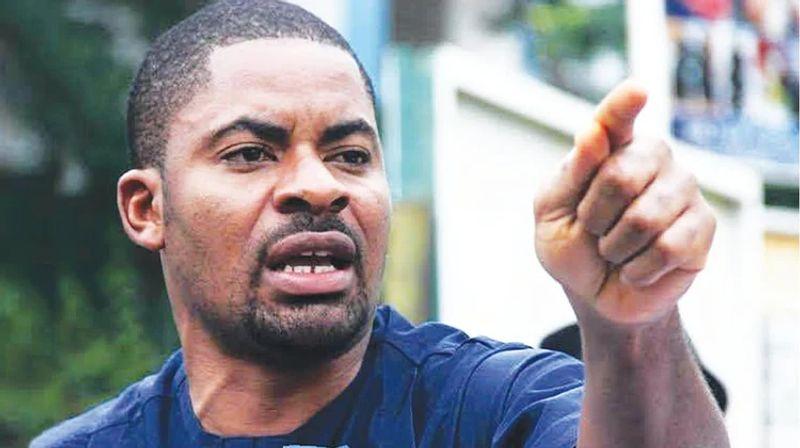
- Deji Adeyanju called for EFCC and DSS investigations into Nasir El-Rufai’s alleged corruption and mismanagement of insecurity
- He criticised El-Rufai’s claims of political persecution, citing arrests and harassment of critics during his tenure
- Adeyanju urged accountability for financial misconduct and controversial security arrangements under the former governor
Human rights activist and social commentator Deji Adeyanju has urged the Economic and Financial Crimes Commission (EFCC) and the Department of State Services (DSS) to investigate former Kaduna State Governor Nasir El-Rufai over alleged corruption and his administration’s handling of insecurity during his tenure.
In a statement released on Thursday, Adeyanju stressed that no one should be above the law, insisting that any claims of financial misconduct or abuse of office by El-Rufai must be thoroughly examined.
“I call on the EFCC and the DSS to immediately investigate former Governor Nasir El-Rufai over allegations of corruption and his handling of insecurity during his time in office. No one should be above the law,” Adeyanju said.
The activist criticised El-Rufai’s recent claims of political persecution, describing them as contradictory to his tenure, during which his administration was accused of silencing critics. He cited instances where activists, religious leaders, and public commentators were reportedly arrested, harassed, or intimidated for opposing the government.
Adeyanju also referenced the unresolved disappearance of a prominent critic, abducted in front of their family, calling it a painful reminder of that era. He insisted that such incidents must not be forgotten and demanded accountability.
Beyond allegations of corruption, Adeyanju urged the DSS to probe controversial security arrangements allegedly orchestrated under El-Rufai’s administration, including claims that payments were made to violent actors. He described these allegations as serious national security concerns requiring urgent investigation.
“For the sake of justice and accountability, both he and anyone found culpable must be thoroughly investigated,” Adeyanju stated.
The activist’s call adds to a growing chorus of voices demanding transparency and accountability from former public office holders in Nigeria, particularly regarding financial propriety and the management of state security during their tenure.
Adeyanju’s statement highlights the tension between political elites asserting influence and civil society actors pushing for rigorous oversight, accountability, and adherence to the rule of law in Nigeria.