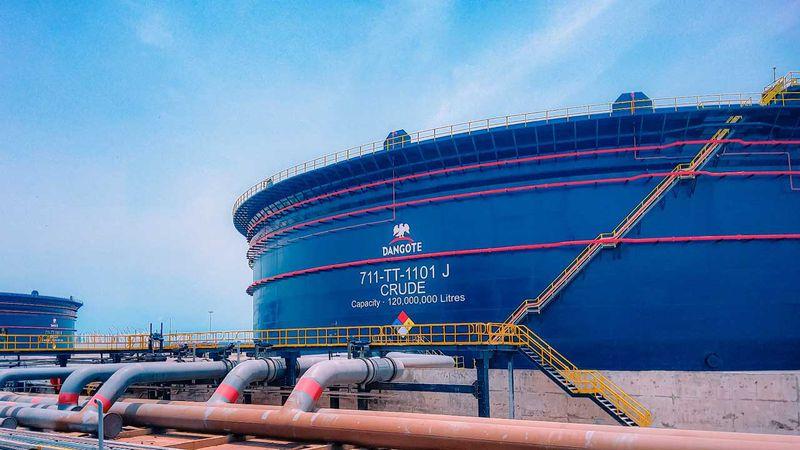
- Dangote Refinery reduced JetA1 fuel price to N1,820 per litre
- Airline operators faced rising costs and threatened shutdowns
- Government introduced debt relief to stabilise aviation sector
Nigeria’s aviation sector may be set for relief after Dangote Refinery announced a significant reduction in the price of aviation fuel, JetA1, fixing it at N1,820 per litre. The move is widely seen as an effort to counter widespread price speculation and stabilise the market.
The 650,000-barrel-per-day refinery disclosed the new pricing in a customer price list, noting that the decision was aimed at improving transparency and reducing volatility in the aviation fuel supply chain. The announcement directly challenges earlier claims by some marketers who had suggested that JetA1 prices could rise to as high as N3,000 per litre.
In recent months, airline operators across Nigeria have struggled with soaring fuel costs, which reportedly surged by nearly 300 per cent following escalating tensions in the Middle East. The sharp increase placed immense financial pressure on carriers, many of whom warned of possible shutdowns or significant fare hikes if the situation persisted.
Industry stakeholders have also blamed price distortions on speculative practices and the role of intermediaries, whose activities have been said to inflate costs beyond reasonable levels. The new pricing from Dangote Refinery is therefore expected to reduce reliance on middlemen and create a more predictable pricing structure for airlines.
Meanwhile, the Nigerian Midstream and Downstream Petroleum Regulatory Authority (NMDPRA) has sought to clarify the pricing landscape, stating that JetA1 has been trading between N1,960 and N2,800 per litre. The regulator dismissed claims that prices had reached or exceeded the N3,000 mark, describing such reports as exaggerated.
The Federal Government has also intervened in a bid to stabilise the aviation industry. Earlier measures included granting airline operators a 30 per cent discount on outstanding debts, a move intended to ease financial burdens and prevent disruptions in air travel services.
With Dangote Refinery’s latest pricing initiative, stakeholders are hopeful that the aviation sector will experience improved stability. Analysts suggest that sustained lower fuel prices could help airlines manage operational costs more effectively, potentially leading to more affordable airfares for passengers.
While it remains to be seen how the broader market will respond, the development marks a significant step towards addressing one of the most pressing challenges facing Nigeria’s aviation industry.