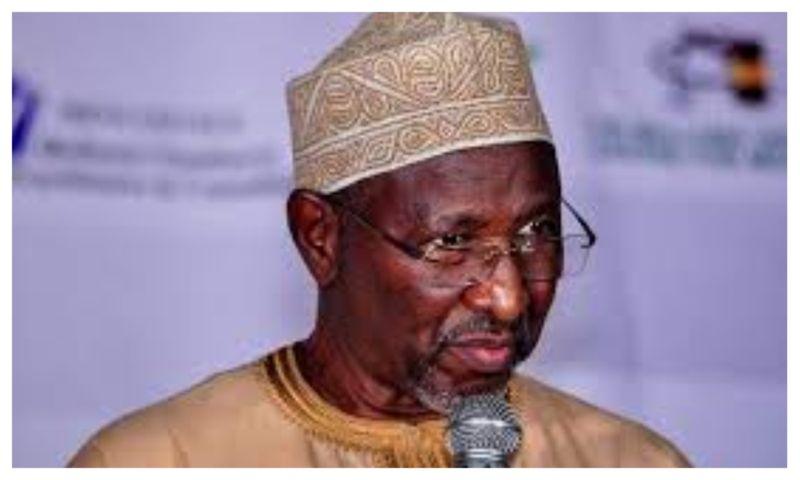
- Bugaje claimed resistance to real-time electronic results was a deliberate attempt to weaken the electoral process and prepare for rigging
- He argued that INEC has the capacity to transmit results electronically, citing widespread network coverage and technological readiness
- Bugaje warned that continued opposition to transparency threatened public trust and urged Nigerians to demand full accountability
Islamic scholar and political activist, Dr Usman Bugaje, has alleged that efforts to block the mandatory electronic transmission of election results are deliberate attempts to prepare the ground for electoral manipulation and give undue advantage to certain political actors.
Bugaje made the allegation on Tuesday while speaking on Arise Television’s Morning Show, where he strongly criticised arguments being advanced against real-time electronic transmission of results in the ongoing debate over amendments to the Electoral Act.
According to him, claims that Nigeria lacks the technical capacity to transmit election results electronically are nothing more than excuses designed to weaken the electoral process. He argued that such positions are inconsistent with everyday realities across the country.
“These are all alibis to prepare for rigging. It’s very clear,” Bugaje said. “You have POS machines in the remotest villages. You have telephones working, WhatsApp — people sending messages and communicating.”
Bugaje maintained that it is not the responsibility of lawmakers to determine the operational capacity of the Independent National Electoral Commission (INEC). He stressed that INEC itself has already stated that it is capable of transmitting election results electronically and has formally recommended mandatory real-time transmission.
“In any case, it is for INEC to say that we do not have the capacity to deliver. It is not for the legislators to do that,” he said. “INEC itself has recommended this position during the public hearing.”
He questioned why the Senate would speculate about INEC’s alleged inability to carry out real-time transmission when, according to him, experts have publicly affirmed that network coverage across Nigeria is sufficient to support the process.
Bugaje further argued that even in areas with weak network signals, electronic transmission remains feasible once devices move into coverage zones. He added that many countries with far less developed internet infrastructure have successfully implemented similar systems.
“Even if you post results in remote areas, once you move into an area of coverage, the message will find its way to the portal,” he said. “So it’s not something impossible.”
He described the resistance to real-time transmission as suspicious, especially given modern technological advancements and the time available to strengthen INEC’s capacity.
“In the 21st century, with all this advancement, why block it?” Bugaje asked. “We have sufficient time to build INEC’s capacity. This can be done in one month.”
The activist also referenced controversies from previous elections, suggesting that unresolved issues surrounding electronic result transmission have eroded public trust.
“They switched things off, and all sorts of images were coming,” he said. “Up till now, nobody has adequately explained what exactly happened. In a serious country, this would have been investigated and prosecuted.”
Bugaje concluded that continued opposition to real-time electronic transmission signals an intention to weaken electoral safeguards, warning that Nigerians are increasingly alert to attempts to undermine democracy and will resist anything short of full transparency.