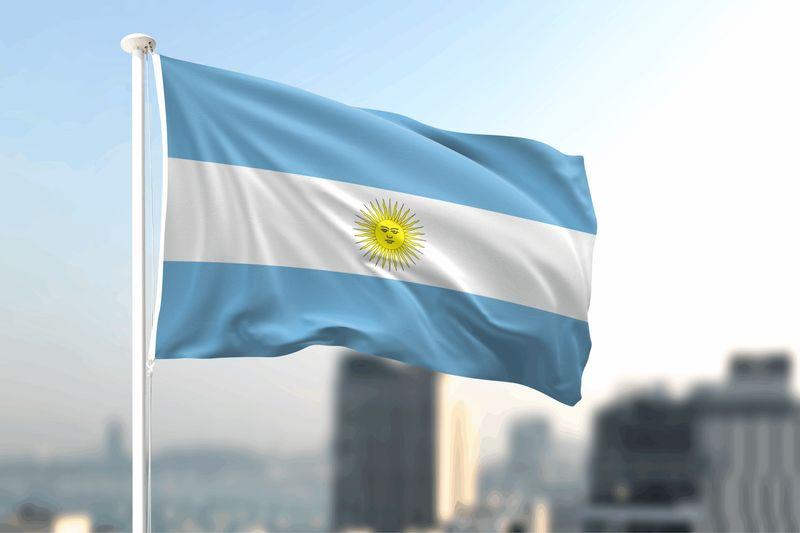
- Argentina has formally notified the United Nations of its decision to withdraw from the World Health Organization
- The withdrawal will officially take effect one year after March 17, 2025
- The organisation stated it would still welcome Argentina’s “full co-operation” in the future
Argentina has officially moved to withdraw from the World Health Organization (WHO), becoming the latest country after the United States to step away from the United Nations health agency.
During the 79th World Health Assembly held on Friday, May 22, member states reached a consensus to acknowledge Argentina’s decision while stressing that the organisation remains open to future cooperation with Buenos Aires.
The WHO assembly reviewed Argentina’s formal notification, which was sent to United Nations Secretary-General António Guterres on March 17, 2025.
The communication stated that the country’s withdrawal would become effective one year after the letter was received.
In the resolution adopted by member states, the assembly said it had “noted” the withdrawal notice and added that “the World Health Organization will always welcome the Argentine Republic’s full co-operation in the work of the organisation.”
The resolution further stated that “it is not considered that any further action at this stage is desirable.”
Norway and Paraguay reportedly played major roles in reaching the compromise agreement adopted during the assembly.
Argentina contributes a relatively small amount to the WHO budget, with its membership fees for 2024 and 2025 estimated at about $4.1 million annually.
WHO Director-General Tedros Adhanom Ghebreyesus had earlier recalled a similar situation from 1949 and 1950, when seven countries, including the Soviet Union, Czechoslovakia and Bulgaria, announced that they no longer considered themselves members of the organisation.
According to Tedros, those countries were later allowed to resume participation after making what the assembly described as a “token payment” covering the period their memberships were inactive.
Interestingly, the language used in Friday’s resolution mirrors the wording adopted by WHO member states in 1950 during that earlier membership dispute.
WHO raises alarm as US freezes funding for HIV programmes in Nigeria, others
Meanwhile, TheRadar earlier reported that the World Health Organisation (WHO) had issued a stark warning regarding the potential consequences of suspending funding for Human Immunodeficiency Virus (HIV) programs in Nigeria and other low- and middle-income countries.
Dr Tedros Adhanom Ghebreyesus, WHO’s Director-General, expressed concern over the impact of the funding cut, stating that it could severely disrupt HIV programs that currently provide treatment to over 30 million people worldwide.