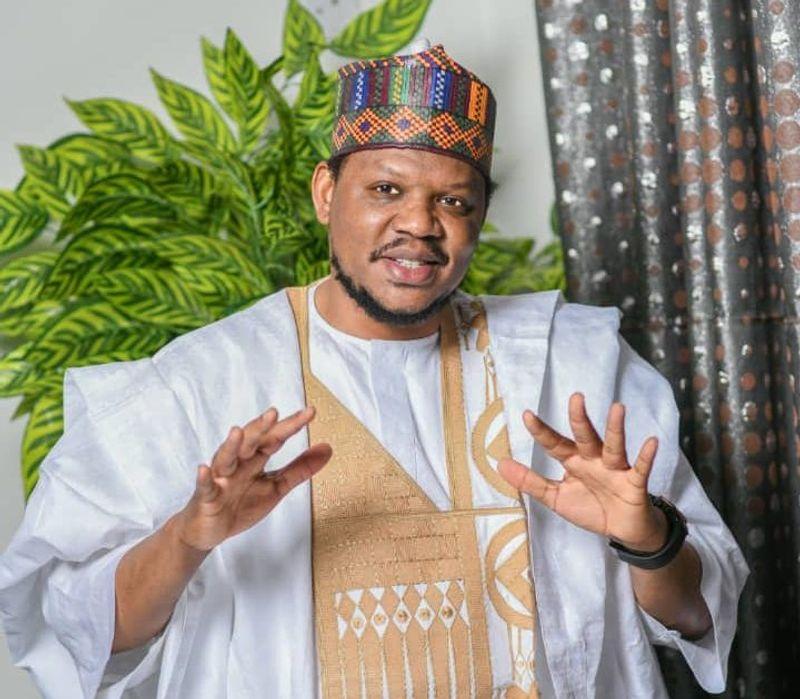
- APC chieftain Adamu Garba said not all Jews should be condemned, highlighting the contributions of many Israelites
- He cited the Qur’an to show that some People of the Book are righteous and devoted
- Garba noted he was conducting research and encouraged tolerance amid geopolitical tensions in the Middle East
A chieftain of the All Progressives Congress, Adamu Garba, has called for restraint in the collective condemnation of Jews, describing some members of the Israeli community as “among the best humans on earth.”
Garba made the remarks in a post on X on Wednesday while addressing religious and geopolitical narratives surrounding Israel and Iran amid the ongoing conflict in the Middle East. He emphasised that Islam does not condemn all Jews, but only those who have strayed from the path of righteousness, noting that similar deviations exist in other religions, including Islam and Christianity.
“No, not correct. Allah did not curse all of the Jews, but some of them that have strayed from the true path, like he did to all other religions, Islam, Christianity etc,” Garba wrote. “Among them, like among others, are those who refuse to follow The Law (Torah) and uphold Justice (Talmud), the likes of Netanyahu, but among them too are very very excellent people. They have right to life, their liberties and peace, like every other nation.”
The APC chieftain highlighted the historical contributions of the Jewish people, noting their achievements across several civilizations, centuries, and dynasties. He described the Children of Israel as having played an important role in human progress and stressed that it is “unfair to collectively condemn them.”
To support his perspective, Garba cited Surah Ali Imran (3:113) from the Qur’an, pointing out that not all People of the Book are alike and that some are righteous and devoted. He further stressed that individuals should not be judged based on the actions of a few, advocating for a nuanced understanding of religious and cultural differences.
Garba also revealed that he is currently conducting extensive research on the subject, suggesting that his engagement with the topic is ongoing and grounded in both scholarly inquiry and moral reflection.
His comments come amid heightened global tensions in the Middle East, where political rhetoric and religious narratives have often intensified divisions. By drawing attention to the diversity and achievements of the Jewish community, Garba sought to promote a message of tolerance, justice, and recognition of shared humanity.
Political observers noted that his statements may spark debate within Nigeria and among religious and diplomatic circles, highlighting the challenges of addressing complex international issues responsibly while fostering understanding and mutual respect.