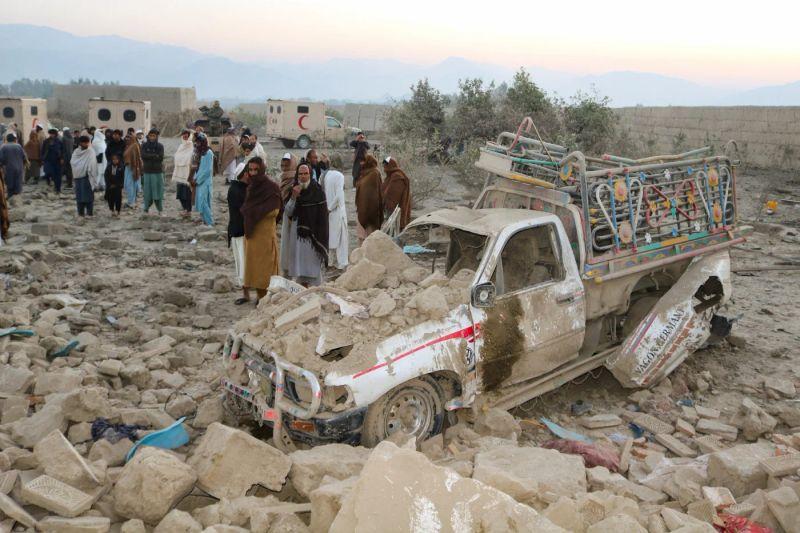
- Airstrikes by Pakistan targeted Taliban positions in Afghanistan, including sites in Kabul, escalating a long-running border conflict
- Taliban authorities confirmed retaliatory operations and reported casualties, though Pakistan denied some claims of captured soldiers
- Both nations blame each other for harbouring or failing to curb militant groups, while earlier ceasefire and diplomatic efforts have largely collapsed
- Regional actors, including Saudi Arabia and Iran, have urged dialogue to de-escalate tensions and prevent further violence
Tensions escalated dramatically as Pakistan launched airstrikes on major locations in Afghanistan, including the capital Kabul, on Friday, February 27.
Islamabad’s defence minister described the situation as “open war,” marking a dangerous shift after months of border skirmishes.
According to Agence France-Presse (AFP) journalists in Kabul and Kandahar, explosions and aircraft activity continued until dawn as Pakistani jets struck sites in the Afghan capital and the southern region, a stronghold of Taliban authorities.
The operation followed an attack by Afghan forces on Pakistani border troops a day earlier, itself a response to prior Pakistani strikes.
Relations between the neighbours have deteriorated significantly, with border crossings largely closed since deadly violence in October that reportedly killed more than 70 individuals on both sides.
Islamabad maintains that Afghanistan has failed to curb militant groups responsible for attacks inside Pakistan, allegations the Taliban government rejects.
Most of the violence has been linked to Tehreek-e-Taliban Pakistan, which has intensified operations since the Afghan Taliban regained power in Afghanistan in 2021.
“Afghan Taliban defence targets were targeted in Kabul, Paktia and Kandahar,” Pakistani Information Minister Attaullah Tarar posted on X.
Defence Minister Khawaja Asif further warned of “all-out confrontation” with the Taliban administration, stating: “Our patience has reached its limit. Now it is open war between you and us.”
South Asia analyst Michael Kugelman described the strikes as a “significant and dangerous escalation from earlier clashes,” noting that Pakistan appeared to target not only militant groups but also Taliban positions.
Diplomatic efforts have repeatedly failed to secure lasting peace. Mediation attempts by Qatar and Turkey produced a temporary ceasefire, but breaches undermined progress.
Recently, Saudi Arabia facilitated the release of three Pakistani soldiers captured in October, and its foreign minister later discussed the crisis with Pakistani officials. Iran also offered to help “facilitate dialogue” to ease tensions.
Both militaries claim significant losses in recent border fighting.
Pakistan’s Prime Minister Shehbaz Sharif insisted that his armed forces “have the full capability to crush any aggressive ambitions.”
Reports from Kabul indicated jets overhead and multiple blasts, while residents described a quiet morning consistent with Ramadan traditions.
Taliban authorities denied casualties from the airstrikes, though they acknowledged launching retaliatory operations and reported the deaths of eight soldiers during border clashes.
Civilian areas near the Torkham border crossing were also affected.
Afghan officials reported injuries at a camp for returnees when a mortar shell struck the site, wounding several refugees. Further complicating regional security, suicide bombings have surged in both countries.
Recent attacks include a deadly assault on a Shiite mosque in Pakistan that killed at least 40 people, claimed by the Islamic State group. Its regional affiliate, Islamic State-Khorasan, also claimed responsibility for a suicide bombing in Kabul last month.
The ongoing hostilities underline the fragility of relations between the neighbours and the broader security risks facing South Asia.