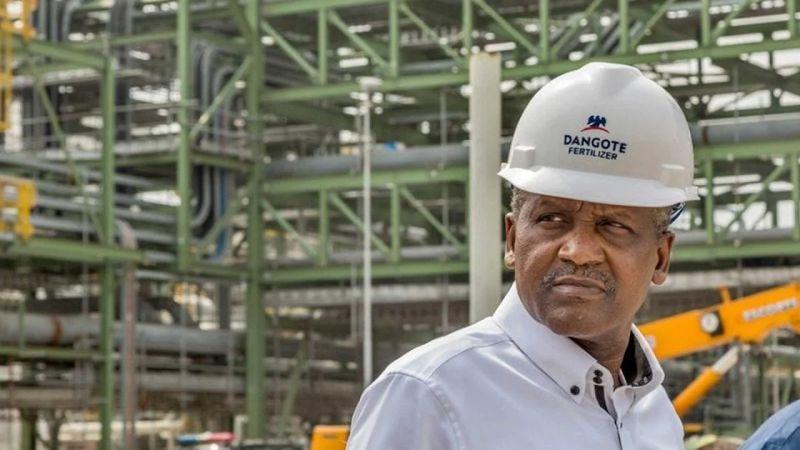
- South Africa, Ghana, and Kenya sought fuel supplies from Dangote Petroleum Refinery amid global disruptions
- The surge in demand followed supply concerns linked to tensions involving Iran and reliance on Middle East imports
- Aliko Dangote highlighted availability challenges, as limited export capacity constrained regional supply options
Several African countries, including South Africa, are seeking fuel supplies from the Dangote Petroleum Refinery following disruptions linked to the ongoing Middle East crisis involving Iran.
According to a report by Bloomberg on Friday, the refinery—owned by Nigerian industrialist Aliko Dangote—has received multiple inquiries from African governments looking to secure alternative fuel sources as global supply chains face increasing strain.
The 650,000-barrels-per-day facility, one of the largest in the world, has reportedly attracted interest from countries across the continent. South Africa is said to be negotiating a 12-month supply agreement, while Ghana and Kenya have also approached the refinery to explore supply options.
The growing demand comes amid heightened concerns over fuel availability, particularly in eastern and southern Africa, where reliance on imports from the Middle East remains significant. Energy consultancy CITAC estimates that approximately 75 per cent of refined fuel imports in these regions originate from the Middle East, leaving them vulnerable to geopolitical disruptions.
In a statement issued earlier in the week, South African authorities confirmed that efforts are underway to diversify supply sources. The government noted that it is actively engaging industry stakeholders to secure both crude oil and refined petroleum products from a broader range of suppliers as part of a strategy to mitigate potential shortages.
“A comprehensive plan is in place to manage potential supply risks,” the statement read, while also assuring citizens that the country currently has sufficient fuel reserves to meet short-term demand.
Kenyan officials have similarly indicated that there is no immediate threat of fuel shortages, despite the uncertainty in global markets.
Speaking on the situation, Dangote emphasised that availability, rather than pricing, has become the primary concern in the current climate. He warned that the disruption could persist, underscoring the need for reliable and diversified supply channels.
Industry analysts note that Africa’s increasing dependence on imported refined fuel—driven by declining local refining capacity—has amplified its exposure to external shocks. In this context, the Dangote refinery is expected to play a critical role in stabilising supply across the continent.
However, with approximately 75 per cent of its production earmarked for domestic consumption in Nigeria, only a limited portion remains available for export, potentially constraining its ability to fully meet regional demand.