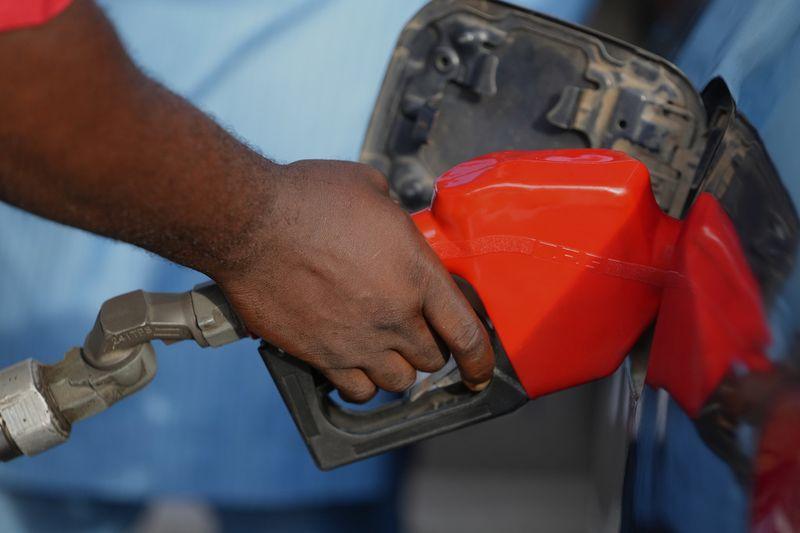
- The report by the Africa Finance Corporation projects a widening gap between fuel demand and supply across the continent with 86 million tonne fuel shortfall by 2040
- Africa currently imports over 70 percent of its refined petroleum products, making it highly vulnerable to global supply chain disruptions and price volatility
- The report calls for the development of new refining and energy hubs across Africa, alongside improved performance of existing facilities
Africa could face a fuel supply gap of up to 86 million tonnes by 2040, as ongoing geopolitical tensions, particularly the Iran war, highlight the continent’s heavy reliance on imports and exposure to global supply disruptions.
According to a new report by the Africa Finance Corporation (AFC), Africa currently imports more than 70 percent of its refined fuel, alongside roughly $230 billion worth of essential goods annually, including food, plastics, steel, and fertiliser.
This dependence is projected to increase significantly in the coming decades.
The report, unveiled in Nairobi, revealed that fuel imports are expected to rise from 74 million tonnes in 2023 to 86 million tonnes by 2040.
The projected shortfall is equivalent to nearly three large-scale refineries like those operated by the Dangote Group in Nigeria.
Highlighting the risks tied to this dependency, AFC Chief Economist Rita Babihuga-Nsanze noted the continent’s vulnerability to global supply chokepoints.
“Not only is it importing fuel, but on the eastern side of the continent, those imports are vulnerable to chokepoints, we’ve all learned about the Strait of Hormuz this year, and it’s not the only chokepoint,” she said during the report’s presentation.
The Strait of Hormuz, a critical global oil transit route responsible for about one-fifth of global fuel shipments, has been severely disrupted due to the Middle East conflict. This has triggered acute fuel shortages in import-dependent East African nations.
Beyond fuel, the crisis is also affecting fertiliser supply chains, as many African countries depend on imports from Gulf nations.
“Fertilisers are another vulnerability that has been exposed by the current crisis,” Babihuga-Nsanze told the audience.
Despite these challenges, Africa holds vast untapped potential.
The continent possesses about 80 percent of the world’s phosphate reserves, a key ingredient in fertiliser production, yet contributes only 20 percent to global output.
“There’s a real opportunity for Africa to step in the gap here,” said Babihuga-Nsanze.
The AFC report emphasised that addressing Africa’s looming energy crisis will require the development of new energy hubs and improved efficiency of existing infrastructure.
Babihuga-Nsanze pointed to structural inefficiencies, including outdated infrastructure and poor regional integration.
She cited examples such as Zambian dams that are ill-equipped to handle changing climate conditions, and approximately two gigawatts of hydropower in Angola that remain underutilised due to lack of grid connectivity.
Iran banks first Strait of Hormuz toll revenue as war standoff deepens
Meanwhile, TheRadar earlier reported that Iran had confirmed receiving its first proceeds from tolls imposed on vessels navigating the strategic Strait of Hormuz, marking a significant escalation in its economic response to the ongoing conflict involving the United States and Israel.
A senior Iranian lawmaker, Hamidreza Hajibabaei, disclosed on Thursday, April 23, that “the first revenue received from the Strait of Hormuz tolls was deposited into the Central Bank account,” according to state-affiliated media.
However, authorities did not specify the amount or the number of ships affected.