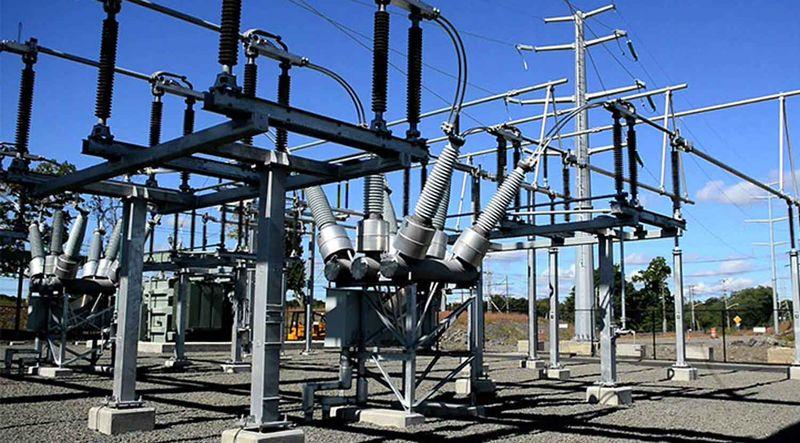
- The Abuja Electricity Distribution Company has entered discussions on a bilateral power agreement with NNPC Limited to enhance electricity distribution within the Federal Capital Territory
- The arrangement will allow AEDC to draw power from NNPC’s 350MW generation plant in Gwagwalada, expected to be completed by the first quarter of 2027
- Customers in targeted areas may enjoy 18–20 hours of electricity daily as new infrastructure comes online from mid-March
The Abuja Electricity Distribution Company (AEDC) has announced plans to sign a bilateral power agreement with NNPC Limited in a bid to enhance electricity supply within the Federal Capital Territory.
Under the proposed arrangement, AEDC will source power from NNPC’s 350-megawatt generation plant located in Gwagwalada, which is expected to be completed before the end of the first quarter of 2027.
Acting Managing Director of AEDC, Chijioke Okwuokenye, disclosed the plan during a briefing in Abuja on Thursday, February 26, noting that the company is exploring multiple strategies to improve electricity distribution across the capital and other parts of its franchise area.
He expressed optimism that the new NNPC facility, once operational, would help stabilise and improve power supply.
“We are not where we need to be yet in terms of service delivery,” Okwuokenye acknowledged, adding that the volume of energy received and distributed by the company has risen by nearly 15 percent over the past year.
Accompanied by AEDC’s Chief Operating Officer, Blessing Ogbe, and Chief Technical Officer, Godfrey Aba, he highlighted ongoing network upgrades, including the construction of new feeders and injection substations aimed at enhancing power quality and reducing outages in critical locations.
The company expects customers in targeted areas to enjoy 18–20 hours of electricity daily from mid-March as new infrastructure becomes operational.
AEDC also said it is establishing alternative supply routes and improving system flexibility to maintain continuity during grid disturbances.
To reduce reliance on the national grid, the utility is advancing embedded generation projects, including three 10-megawatt solar installations in major FCT load centres, with provisions for future expansion.
It is also encouraging mini-grid and integrated solar solutions for underserved communities, allowing private investors to connect directly to the distribution network.
Okwuokenye further disclosed a franchise initiative that enables private operators to invest in network upgrades in difficult-to-manage areas in return for a share of revenue.
The scheme is intended to accelerate service improvements without overstretching the company’s financial capacity.
On metering, the utility reported intensified deployment under the Meter Asset Fund, with about 70,000 meters installed between last year and early 2026.
The initiative has shifted many customers from estimated billing to actual consumption-based charges, reducing commercial losses and enhancing transparency.
The acting MD stated that AEDC now meets 100 percent of its market payment obligations, strengthening liquidity across the electricity value chain and enabling higher energy allocations to its network.
He identified energy theft, meter bypass, and non-payment of bills as major obstacles to reliable service delivery.
Okwuokenye urged customers to settle bills promptly and report illegal connections, stressing that reducing system losses and increasing energy volumes are essential for improving reliability and affordability.
While acknowledging that power sector improvements take time, he affirmed that AEDC’s long-term strategy aims to significantly enhance electricity supply in Abuja and establish the company as a leading utility in West Africa.