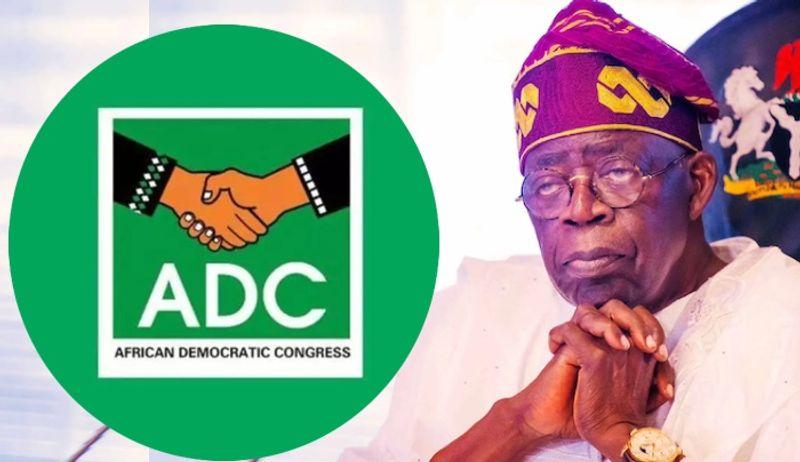
- The African Democratic Congress urged the Federal Government to impose a temporary cap on petrol prices to reduce pressure on Nigerians
- The party, through spokesman Bolaji Abdullahi, criticised the removal of fuel subsidy and warned it had worsened economic hardship
- ADC questioned the plan to distribute 100,000 CNG conversion kits, saying it covered less than 1% of Nigeria’s over 11 million vehicles
Nigeria’s opposition party, the African Democratic Congress (ADC), has called on the Federal Government to introduce an immediate temporary cap on petrol prices as Nigerians continue to grapple with rising fuel costs and a worsening cost-of-living crisis.
In a strongly worded statement released on 11 March 2026, the party argued that the government must take urgent steps to shield citizens from the economic consequences of global oil market volatility and geopolitical tensions in the Middle East.
The statement, signed by the ADC’s National Publicity Secretary, Bolaji Abdullahi, warned that relying solely on market forces during a period of international uncertainty could deepen economic hardship in Nigeria.
According to the party, the ripple effects of rising petrol prices extend far beyond the energy sector. Petrol costs significantly influence the prices of transportation, food and other essential goods, meaning any increase quickly affects the daily lives of millions of Nigerians.
“When petrol rises, everything else rises with it,” the statement read, stressing that urgent intervention was necessary to stabilise prices and protect vulnerable citizens.
The ADC also criticised the administration of President Bola Tinubu and the ruling All Progressives Congress (APC) over what it described as the abrupt removal of fuel subsidies. The party argued that the decision had placed additional pressure on an already fragile economy and intensified hardship for many households.
As part of its recommendations, the ADC called for targeted palliative measures to support low-income families who have been hardest hit by the rising costs of fuel and essential goods.
The party also questioned the practicality of the government’s plan to distribute 100,000 Compressed Natural Gas (CNG) conversion kits as a long-term solution to fuel price challenges. According to the statement, the programme would affect less than one per cent of Nigeria’s estimated 11 million vehicles, raising concerns about its ability to significantly reduce reliance on petrol.
In addition, the ADC pointed to the limited availability of CNG refuelling infrastructure across the country, arguing that the lack of supporting facilities could undermine the effectiveness of the initiative.
The opposition party therefore urged the government to develop a broader and more comprehensive energy strategy that reflects Nigeria’s position as a major oil-producing nation.
“At a time of rising global uncertainty, protecting the welfare of citizens must remain the first duty of any government,” the statement emphasised.
The call comes amid renewed concerns within the oil and gas sector about further petrol price increases if geopolitical tensions in the Middle East persist, a development that could further strain Nigeria’s economy and deepen the country’s ongoing cost-of-living crisis.
Positioning its proposal as a practical intervention, the ADC said a temporary, time-bound price cap would help stabilise the market while broader structural reforms are pursued.