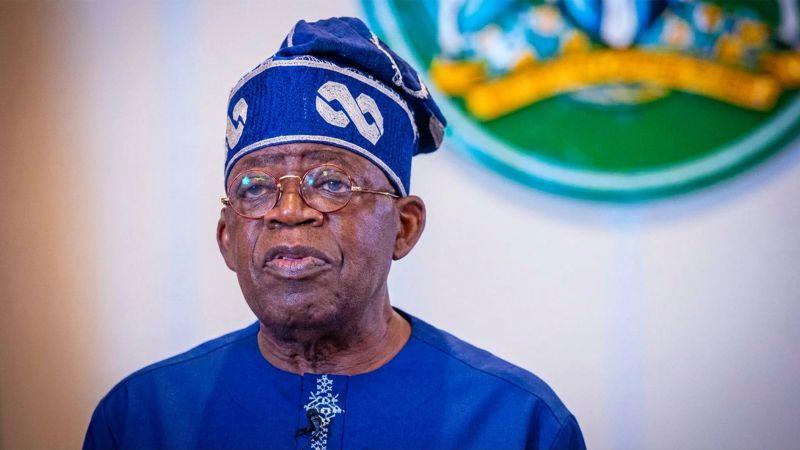
- President Bola Tinubu has signed the Electoral Act 2026 Amendment Bill into law, paving the way for 2027 general elections
- The law introduces reforms to improve transparency, logistics, and address gaps from previous election cycles
- However, controversy continues over electronic transmission of results, with civil society pushing for real-time uploads
President Bola Tinubu on Wednesday, February 18, formally signed the Electoral Act 2026 (Amendment) Bill into law, establishing the legal framework for the conduct of the 2027 general elections.
The development came just days after the Independent National Electoral Commission (INEC) released the official election timetable.
The signing ceremony, held at the State House, Abuja, commenced around 5:00 p.m. and was attended by principal officers of the National Assembly and senior government officials.
The amendment bill had been passed by both chambers of the National Assembly on Tuesday, February 17, following weeks of legislative review and public consultations on key electoral reforms.
The newly signed law is expected to introduce changes aimed at strengthening transparency, improving logistics, and addressing operational gaps observed in previous election cycles.
The assent arrives amid intense national discussions over the electronic transmission of election results, which has remained a highly debated aspect of Nigeria’s electoral process.
Civil society organisations, opposition parties, and pro-democracy groups have recently intensified calls for mandatory real-time electronic transmission of results from polling units directly to INEC’s central database.
Last week, protesters gathered at the National Assembly complex in Abuja, urging lawmakers to enshrine live result transmission in the amended law.
The demonstrators argued that "instantaneous electronic uploads would significantly curb manipulation during collation, enhance transparency and rebuild public trust in election outcomes."
However, the proposal has faced resistance from the ruling All Progressives Congress (APC) and some electoral stakeholders, who caution that Nigeria’s uneven telecommunications coverage could hinder full digital implementation. They advocate for a phased or hybrid system that allows manual collation in areas with poor network coverage, while electronic transmission operates where feasible.
Observers say the signing of the amendment signals the administration’s intention to finalise electoral reforms well ahead of the 2027 polls, giving INEC sufficient time to align regulations, deploy technology, and conduct voter education.
Political analysts also note that early legal clarity may reduce pre-election disputes and provide a clearer operational roadmap for political parties and candidates.
Further details on the specific provisions of the amended Act are expected to be released by the Presidency and the National Assembly in the coming days.