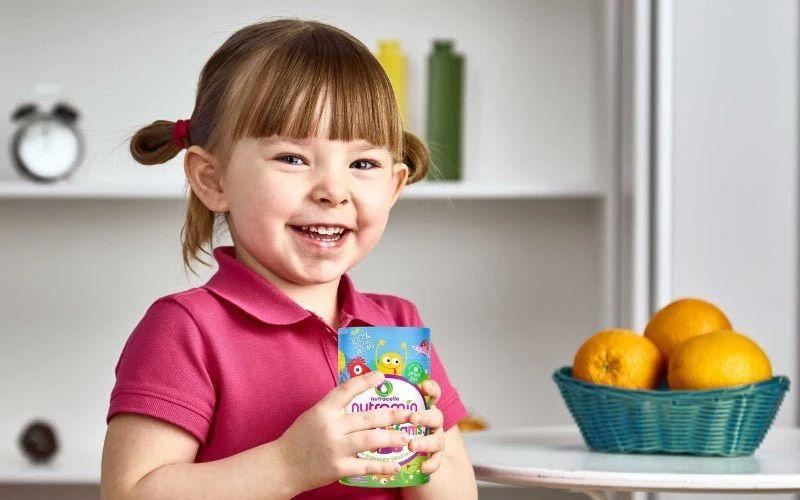
- Vitamin C supports healthy growth – It helps strengthen your child's immune system, improves iron absorption, supports wound healing and contributes to healthy skin, bones and blood vessels
- Choose tasty, natural sources – Colourful fruit salads, homemade smoothies and vegetables such as bell peppers, broccoli and tomatoes are delicious ways to boost your child's vitamin C intake without relying on supplements
- A balanced diet is usually enough – Most children can meet their vitamin C needs by eating a variety of fruits and vegetables. Parents should limit sugary fruit juices and consult a healthcare professional before giving vitamin supplements if they have concerns about their child's nutrition
Vitamin C is an essential nutrient that plays a key role in your child's growth and development. It supports the immune system, helps the body absorb iron from plant-based foods, aids wound healing and contributes to healthy skin, bones and blood vessels.
The good news is that most children can get the vitamin C they need through a balanced diet. Rather than relying on supplements, parents can encourage healthy eating by serving foods that are naturally rich in this important vitamin.
Here are three delicious ways to help your children get extra vitamin C.
1. Make colourful fruit salads
One of the easiest ways to increase your child's vitamin C intake is by serving a fresh fruit salad.
Mix a variety of colourful fruits such as:
- Oranges
- Tangerines
- Strawberries
- Kiwi
- Pineapple
- Mango
- Pawpaw (papaya)
The combination of sweet flavours and bright colours makes fruit salads appealing to children, while providing a range of vitamins, fibre and antioxidants.
Tip: Chill the fruit before serving or use fun-shaped cutters to make healthy snacks more exciting.
2. Blend vitamin C-rich smoothies
Smoothies are a great option for children who are reluctant to eat whole fruits.
Blend fruits like oranges, strawberries, mangoes and pineapple with plain yoghurt or milk for a refreshing drink. You can even add a handful of spinach, which blends well with fruit and provides additional nutrients without significantly changing the taste.
Avoid adding extra sugar, as the natural sweetness of the fruit is usually enough.
Tip: Freeze fruit pieces beforehand to create a thicker, milkshake-like texture.
3. Include more vegetables in everyday meals
Fruit isn't the only source of vitamin C. Several vegetables are also rich in this essential nutrient.
Try adding:
- Bell peppers
- Tomatoes
- Broccoli
- Cabbage
- Cauliflower
These vegetables can be included in sandwiches, pasta dishes, stir-fries, soups or omelettes. Serving them with colourful dips or alongside favourite meals may encourage children to eat more vegetables.
Tip: Cook vegetables lightly where possible, as prolonged cooking can reduce their vitamin C content.
Why vitamin C matters for children
Vitamin C supports many important functions in a growing child's body, including:
- Helping the immune system function normally.
- Supporting healthy skin and wound healing.
- Improving the absorption of iron from foods.
- Contributing to the formation of collagen, which is important for bones, cartilage and blood vessels.
- Acting as an antioxidant that helps protect cells.
Most healthy children who eat a varied diet can meet their vitamin C needs without supplements.
A few reminders for parents
While vitamin C is important, balance is key.
- Offer a variety of fruits and vegetables throughout the week.
- Limit sugary fruit juices, which can be high in added sugars and low in fibre.
- Encourage children to eat whole fruits whenever possible.
- If you're concerned your child may have a nutritional deficiency or has a medical condition affecting their diet, speak with a healthcare professional before giving vitamin supplements.
10 healthy ways to reduce your belly fat
Meanwhile, in an earlier report, TheRadar compiled a list of 10 healthy ways to reduce belly fat, as too much can be chronic to a person's health. Therefore, it is essential to know healthy ways to reduce belly fat in ways that will not deteriorate the current state of your health.
The healthy ways to reduce belly fat include eating soluble fibre, eating proteins, reducing the intake of sugary foods, reducing stress, and getting good quality sleep.