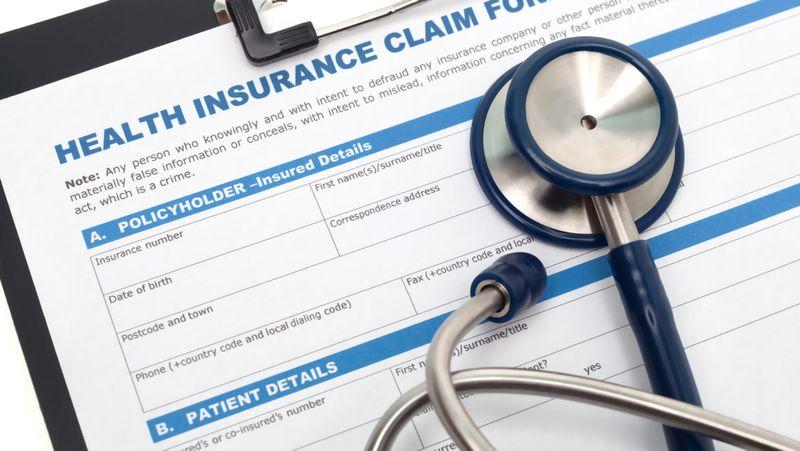
- Nigerians are increasingly frustrated by delayed and rejected HMO claims during hospital visits
- Many HMO claim rejections happen because of avoidable mistakes made before treatment begins
- The guide reveals a little-known strategy that can speed up HMO authorisation and the proper complaint escalation process when claims are unfairly delayed or rejected
You don't notice your HMO until the day you desperately need it. Then suddenly, what looked like a simple hospital visit turns into phone calls, delayed approvals, unexpected bills, and the dreaded line: "Your HMO didn't approve it." For many Nigerians, that's the moment frustration boils over and another angry post lands on X.
The truth is, not every rejected HMO claim is the HMO's fault. In many cases, approvals fail because of simple mistakes patients don't even know they're making.
Knowing how Nigeria's HMO system works can save you money, stress, and hours of unnecessary back-and-forth. It can also help you avoid paying out of pocket for treatment that should have been covered in the first place.
In this guide, you'll learn the biggest reasons HMO claims get rejected, the little-known question to ask at the hospital that can speed up approvals, and the proper way to escalate complaints when your HMO keeps giving you the runaround.
Why your HMO claims get rejected
1. You didn't confirm your plan details
Most Nigerians sign up for HMO through their employer and never actually read the benefits document.
Then they show up expecting cover for something that was never in their package.
Request your Schedule of Benefits directly from your HMO, not from HR. Read it like your life depends on it, because low-key, it does.
2. You went to a hospital that's not on your panel
This one is the number one killer of claims in Nigeria.
You feel a way, you rush to "the good hospital down the road," and boom, it's not on your HMO's approved list. Automatic rejection.
Save your HMO's provider list on your phone right now. Before an emergency happens, not during.
3. You didn't get pre-authorisation for non-emergency cases
For anything that isn't life-threatening like surgeries, specialist referrals, or expensive tests, HMOs almost always require pre-authorisation.
Skip this step, and even a legit claim can get bounced.
Call your HMO's customer care before the procedure, not after. Get an authorisation code and keep a screenshot of everything.
One trick most Nigerians don't know
When a hospital says your HMO "hasn't approved" something, don't just accept it and walk away angrily. Ask the hospital's HMO desk officer for the specific reason code for the delay or denial.
This matters because HMOs work with codes, not vibes. A vague "not approved" can mean anything from "pending documentation" to "outside coverage," and each one has a completely different fix.
Once you have the code, you can push back with facts, not frustration.
What to do if they still refuse
Most people stop at the hospital reception. Big mistake.
Here's your actual escalation ladder:
Step 1: Contact your HMO's official complaints line directly (not the hospital).
Step 2: Put your complaint in writing; email beats phone calls because it creates a paper trail.
Step 3: If it's not resolved, escalate to the National Health Insurance Authority (NHIA), which regulates HMOs in Nigeria.
A lot of Nigerians don't know NHIA can actually intervene. This one piece of info alone could save you weeks of back-and-forth.
Documents you should always carry
Before any hospital visit, emergency or not, keep these ready on your phone:
- Valid HMO ID / enrollee number
- Employer's HR contact (for group plans)
- Your Schedule of Benefits (screenshot it, seriously)
- Any prior authorisation codes
This sounds like a small effort. But it's the difference between walking out with your bill sorted and walking out heated on X threatening to "expose" somebody.
FG plans 10,000 housing units for healthcare workers under Renewed Hope initiative
Meanwhile, TheRadar earlier reported that the Federal Government announced plans to build 10,000 housing units under the Renewed Hope Medic Cities initiative, aimed at providing affordable and decent housing for medical professionals across the country.
The project included long-term mortgages, rent-to-own schemes, and instalment payments.