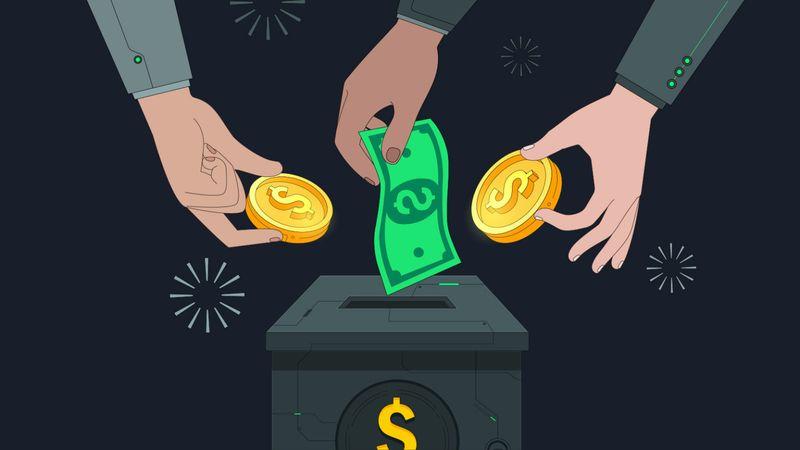
- Nigerians are quietly abandoning the saving culture because inflation is eating savings faster than banks can pay interest on them
- A new generation is turning Ajo, dollar apps, stocks, and even agric investment platforms into the new "school fees account."
- The shift isn't just smart money moves, it's also opening the door to sophisticated Ponzi schemes disguised as investment platforms
Saving your money used to be the smartest financial advice. Today, many Nigerians believe it's the fastest way to lose purchasing power.
The price of food changes almost every day, transport costs refuse to stay still, and rent keeps climbing. What N100,000 could buy a few years ago is very different from what it buys today.
So instead of asking, "How much have I saved?" many Nigerians are now asking a different question:
"How can I make my money grow?"
That's exactly why investing is becoming one of the biggest money conversations in Nigeria.
Where the money's going now
Investing for the average Nigerian in 2026 doesn't look like Wall Street. It looks like this:
1. Dollar-denominated apps: Platforms that let you save or invest in dollars have exploded, largely because of Naira instability. There are a number of active users on dollar investment apps in Nigeria, e.g. Bamboo, Trove, Chaka, Risevest.
2. Stocks and fixed-income apps: Buying shares of companies like Apple or Nigerian blue-chips used to feel like a "big man" thing. Now it's one app download away.
3. Real estate fractional investment: Instead of needing millions to buy land, platforms now let people co-own property with as little.
4. Agric-tech investment: Platforms are letting city people sponsor farms and split the profit. Farming just became a side hustle for people who've never touched soil.
5. Crypto: Still alive, still risky, still very much part of the conversation despite the regulatory back-and-forth.
Ajo never died
Nigerians have been investing informally for decades. We just called it Ajo, Esusu, or "join-and-collect."
What's changed is the packaging. Digital cooperative platforms now offer structured Ajo with actual returns attached, group investment pools, and automated contributions straight from your salary alert.
It's the same trust-based culture our mothers used to build houses, just wearing an app icon now.
Watch out for scams
Meanwhile, not everything wearing the investment platform costume is legit.
Nigeria has a long, painful history with Ponzi schemes dressed up as investment opportunities, MMM being the most infamous, wiping out savings of affected Nigerians.
More recently, platforms like CBEX made headlines for the same reason.
The pattern is always the same: promise returns too good to be true, pay early investors with new investors' money, disappear when the music stops.
So before you invest, ask the basic question: "If this platform disappeared tomorrow, would I understand exactly how they were generating my returns?" If the answer is no, that's your red flag, not your green light.
Saving or investing?
Saving isn't dead because you still need emergency money you can touch fast. But saving alone, in a Naira account, while inflation runs riot? That's no longer a safe move.
The smartest Nigerians right now aren't choosing between saving and investing. They're keeping a small emergency stash liquid, and pushing the rest into assets that can actually outrun the Naira's decline.
Whatever route you pick, the golden rule stays the same: know where your money is going, and never invest what you can't afford to lose chasing a "guaranteed" return.
The economy will keep doing its own thing. Your money strategy shouldn't be sitting still and hoping for the best.
How to protect yourself from online banking fraud in Nigeria
With the growth of digital banking, scammers are using phishing messages, fake apps and social engineering to steal money and sensitive information from unsuspecting users.
Meanwhile, TheRadar earlier compiled a detailed practical guide on how to protect yourself from online banking fraud in Nigeria.