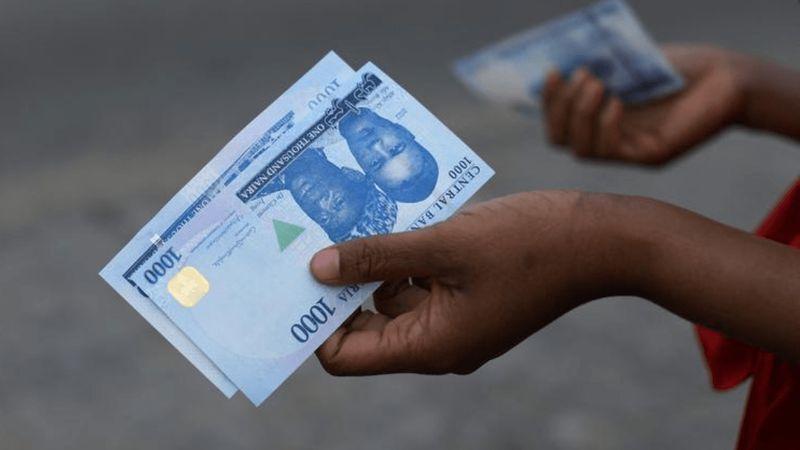
As Nigeria moves deeper into 2026, many households continue to adjust to a changing economic landscape. While recent economic indicators suggest improving stability in inflation and the foreign exchange market, the reality remains that millions of Nigerians are still grappling with high living costs, expensive transportation, and rising household expenses. Recent economic reports indicate that inflation remains above 15 per cent, while policymakers continue efforts to stabilise the naira and strengthen economic growth.
For many families, survival is no longer just about earning more money—it is about spending smarter. Here are seven practical hacks that can help Nigerians stretch every naira further in June 2026 and beyond.
1. Embrace bulk buying
Purchasing staple foods such as rice, beans, garri and cooking oil in bulk can significantly reduce costs over time. Prices often rise gradually, meaning households that buy larger quantities when prices are favourable can avoid frequent market fluctuations.
2. Plan meals weekly
Impulse spending at food markets remains one of the biggest drains on household budgets. Creating a weekly meal plan helps families purchase only what they need, minimise waste and reduce unnecessary spending on takeaways and convenience foods.
3. Prioritise public transport, shared rides
With transportation costs remaining a major concern for commuters, carpooling, ride-sharing and public transport options can help reduce monthly expenses. Even small savings on daily travel can add up substantially over the course of a year.
4. Reduce energy consumption
Electricity and fuel expenses continue to place pressure on household finances. Switching off unused appliances, investing in energy-efficient bulbs and maximising natural lighting can help reduce monthly utility bills.
5. Build an emergency fund
Economic uncertainty can arise unexpectedly. Setting aside even a small percentage of monthly income creates a financial buffer that can help households manage emergencies without resorting to high-interest borrowing.
6. Explore additional income streams
The digital economy continues to create opportunities for Nigerians. Freelancing, online tutoring, content creation, remote work and small-scale trading can provide valuable supplementary income that cushions households against economic shocks.
7. Focus on needs rather than wants
One of the most effective financial habits is distinguishing between necessities and luxuries. Before making a purchase, consumers should ask whether the item is essential or can be postponed. This simple practice often results in substantial long-term savings.
Looking ahead
Despite ongoing economic challenges, analysts believe Nigeria's economy is showing signs of greater stability, with expectations of continued growth and a more predictable exchange-rate environment. However, household financial discipline remains crucial as families navigate the months ahead.
In an era where every naira counts, adopting practical money-saving habits can make the difference between merely surviving and maintaining financial resilience. By spending intentionally, reducing waste and seeking new income opportunities, Nigerians can better position themselves to withstand economic pressures while preparing for a more secure future.
10 habits to break, build in 2025 for self-improvement
Earlier, TheRadar compiled a list of 10 actionable habits you can break and build for personal growth.
Habits to break include procrastination, living without a budget and others while habits to build include consistent morning routine and setting daily goals among others.
Habits are crucial in personal growth, and identifying the ones to break or build can lead to a more fulfilling year.