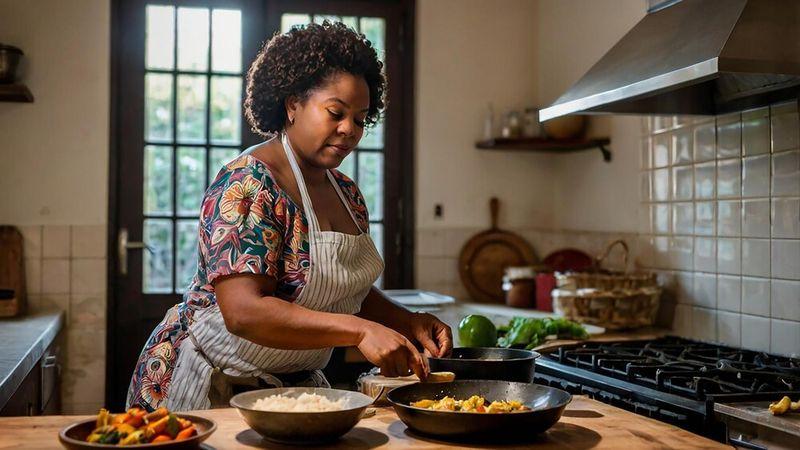
- The economic situation of the country has forced many people to rethink their lifestyle
- Making the right choice of having a home-cooked meal or dining out depends on which kind of lifestyle you choose
- Here are tips to consider and how to balance both choices
With the rising cost of living in Nigeria, people are being forced to rethink their daily choices, especially when it comes to food. Dining out has long been seen as a convenient way to enjoy a meal without the hassle of cooking, but with inflation and food prices skyrocketing, many are wondering whether it’s still worth it.
On the other hand, home cooking might seem like the more affordable option, but does it save you money when you factor in time and effort?
TheRadar explores both sides to help you figure out which makes more sense in Nigeria’s current economic situation.
Home cooking

Credit: Freepik
In today’s economy, home cooking is cheaper. When you cook at home, you can control your spending by purchasing ingredients in bulk, especially from local markets.
Staples like rice, beans, yams, and vegetables can be bought at affordable prices, and when combined with homemade sauces or soups, they make hearty meals that cost less than eating out.
Why home cooking works
- Control over costs
When you cook at home, you can manage how much you spend. Instead of paying restaurant prices, you only spend on ingredients. A meal of rice, beans, and stew at home could cost less than ₦1500 per person, while a similar dish at a restaurant might cost you up to ₦3,000.
- Healthier options:
At home, you can use fresh, local ingredients and limit oil, salt, and other unhealthy additives. You also know exactly what goes into your food, which isn’t always the case when you dine out.
- Meal prep saves time
One of the biggest challenges with home cooking is the time it takes. But with meal prepping, you can make large batches of food that last for several days. Cooking a pot of jollof rice, beans, or egusi soup on Sunday can cover meals for the week, saving both time and money.
Challenges of home cooking
- Time and effort
After a long day at work, cooking may feel like a chore. Between prepping, cooking, and cleaning up, it can be a time-consuming task. For those with tight schedules, it can be hard to find the time to cook daily.
- Rising cost of ingredients
While cooking at home is generally cheaper, the cost of basic ingredients like rice, tomatoes, and onions has also increased due to inflation. However, by shopping smartly and choosing affordable local alternatives, you can still manage costs.
Dining out

Credit: Freepik
Dining out is convenient. Whether it’s fast food from a roadside buka, a quick meal at a restaurant, or ordering delivery, dining out can save you the hassle of cooking and cleaning. But with the current economic situation, the cost of eating out has also skyrocketed.
Why dining out is tempting
- Convenience
The biggest advantage of dining out is the convenience. After a long day, you don’t have to worry about cooking; you simply sit down and eat. For busy professionals or people living in big cities like Lagos and Abuja, this is often the most attractive option.
- Variety
Dining out gives you access to different cuisines and dishes you might not have the time or skills to make at home. You can enjoy anything from amala and ewedu to Chinese noodles or grilled fish.
Challenges of dining out
- High costs
With inflation, the cost of dining out has significantly increased. What used to be an affordable meal at a local canteen may now cost double or triple. Even fast food chains have raised their prices, making dining out less economical for many people.
- Less control over quality
While dining out saves time, you have less control over the quality and healthiness of the meal. Restaurants often use more oil, salt, and processed ingredients to enhance taste, which might not align with your health goals.
- Hidden expenses
When dining out, you often end up spending more than just the cost of the meal. Transportation, drinks, and tips can all add up, making it a more expensive option in the long run.
Tips for balancing both options
- Cook in bulk
Even if you’re busy, cooking in bulk during weekends can help you save time and avoid the high cost of eating out. Simple dishes like jollof rice, yam porridge, or beans can be made in large quantities and stored for the week.
- Eat out wisely
When you dine out, choose affordable local spots rather than expensive restaurants. Local bukas offer tasty meals at a lesser price. Also, consider sharing dishes with a partner or friend to cut down on costs.
- Mix it up
You don’t have to cook every day or dine out all the time. Find a balance that works for your budget and schedule. You might cook during the week and treat yourself to a restaurant meal on weekends.
- Explore street food
Nigeria’s street food is affordable, with ready-to-eat meals that can be a middle ground between dining out and cooking. Foods like akara, moi-moi, roasted plantain, and suya are cost-effective, quick, and satisfying.
In Nigeria’s current economic situation, home cooking remains the more affordable option, but dining out can still be enjoyed in moderation. It is important to find a balance that fits your budget and lifestyle. By cooking at home most of the time and saving dining out for special occasions or busy days, you can enjoy the best of both worlds without breaking the bank.
NAFDAC’s refrigerated food warning causes controversy amid economic struggles
Meanwhile, TheRadar earlier reported that the National Agency for Food and Drug Administration and Control (NAFDAC) issued a warning to Nigerians to avoid storing cooked food in the refrigerator for more than three days.
This warning, given by the Director General of the Agency, Professor Moji Adeyeye, aimed at mitigating the health risks associated with prolonged refrigeration, has sparked concern among families already grappling with economic hardship