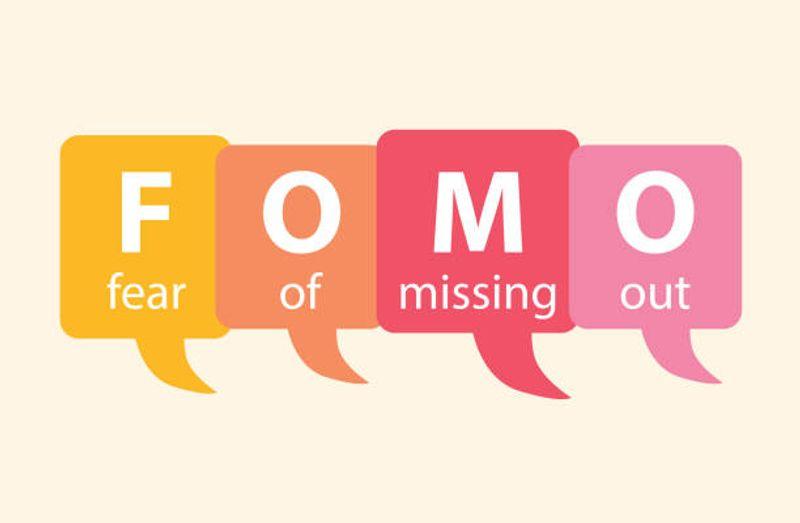
- Social media is making many young Nigerians feel like they're falling behind in life
- FOMO thrives because people mostly post their best moments, not their struggles
- Here's why FOMO happens and how young Nigerians can manage it
Your data finishes loading and you open Instagram to see that a friend is in Zanzibar, another just bought a car, someone else is posting engagement photos, or a former classmate is announcing a remote tech job that pays in dollars.
Meanwhile, you're sitting in your room wondering if life somehow forgot your address.
Welcome to the reality of FOMO in Nigeria, and if you've ever felt like everyone is moving forward while you're standing still, you're not alone.
The strange part is that many of the people making you feel left behind are battling the exact same feeling themselves.
Let's talk about it.
What is FOMO?
FOMO stands for "Fear of Missing Out."
It's that anxious feeling that other people are having better experiences, making more money, travelling more, achieving more, or simply living better than you are.
Before social media, FOMO existed.
But today, your phone delivers it directly to your pocket 24 hours a day.
You don't have to attend a party to feel excluded anymore, you just need an internet connection.
How social media reality is fueling it
For many young Nigerians, social media isn't just entertainment, it's become a scoreboard.
Every day, timelines are filled with new apartments, luxury vacations, engagement announcements, tech job success stories, business wins, expensive gadgets, and lifestyle upgrades.
While there's nothing wrong with celebrating achievements, seeing hundreds of these updates daily can create a dangerous illusion. It starts to look like everybody is winning except you.
The truth is often very different.
Highlight reel problem nobody talks about
Imagine watching only the best five minutes of everyone's day. That's social media.
People rarely post rejected job applications, failed businesses, family struggles, debt problems, loneliness, anxiety, or career confusion.
Instead, they share the polished version, the filtered version, and the "everything is going great" version.
When you compare your behind-the-scenes reality with someone else's highlight reel, you're almost guaranteed to feel inadequate.
Why FOMO feels worse in Nigeria
Nigeria's economic reality has added a new layer to online pressure.
Young people are constantly seeing stories of others relocating abroad, earning in foreign currencies, launching successful businesses, buying cars and homes, and living lifestyles that seem impossible to reach.
With rising living costs and financial uncertainty, these posts can hit even harder.
Many young Nigerians are already worried about their future and social media often amplifies those worries.
"Everybody is making it except me" trap
One of the biggest lies social media tells is that success is happening all around you.
The algorithm doesn't show average days, it shows extraordinary moments.
If ten thousand people have a normal Tuesday and one person buys a new car, guess which post you'll see?
The car.
After seeing enough of those moments, your brain starts creating a false narrative that everyone is succeeding, which is rarely true.
How FOMO is affecting young Nigerians
1. Self-doubt
The effects of FOMO goes beyond simple envy. Some people experience constant self-doubt, they begin to question their choices, career, relationships, and timeline even when they're doing well.
2. Financial pressure
Some people start spending money they don't have to keep up appearances online while others take on unnecessary debt just to look successful.
3. Burnout
Trying to catch up with everyone can become exhausting.
You work harder, push harder, stress harder, and still feel like you're losing.
4. Reduced self-esteem
Over time, constant comparison can make achievements feel smaller than they actually are.
Instead of celebrating your progress, you're focused on someone else's.
Hidden side of online success
The something social media rarely shows:
- The influencer with brand deals may be struggling financially.
- The entrepreneur posting luxury photos may be dealing with business challenges.
- The remote worker earning dollars may be battling loneliness and burnout.
- The happy couple may have problems nobody sees.
Every story has pages that never make it online and those missing pages matter.
Why comparison is becoming a full-time job
Social media platforms are designed to keep attention. The more content you consume, the more opportunities you have to compare yourself.
One scroll becomes ten, ten minutes become an hour, and an hour becomes an entire evening spent watching other people live.
Meanwhile, your own life is happening in real time and that's the life that deserves your attention.
The real question isn't "am I behind?"
It's this: Behind who?
Life isn't a race with one finish line.
The person who gets married at 25 isn't automatically ahead of the person who marries at 35.
The person who gets a remote job today isn't automatically ahead of the entrepreneur building something that takes years.
Different journeys, different timelines with different destinations.
How to beat FOMO without deleting every app
You don't have to disappear from social media, but you can change how you use it.
1. Curate your feed: Unfollow accounts that constantly make you feel inadequate and follow people who educate, inspire, or genuinely add value.
2. Limit comparison triggers: Notice the posts that affect your mood. Awareness is often the first step toward change.
3. Celebrate small wins: Got a new skill, finished a project, or you saved some money? Celebrate it.
Not every victory has to go viral to matter.
4. Remember that nobody posts everything: Whenever you feel left behind, remind yourself that you're comparing your full reality to someone else's edited highlights.
That's not a fair comparison.
FOMO in Nigeria is becoming a shared experience among young people navigating social media, economic pressure, and the constant visibility of other people's success.
The danger isn't seeing people win, but believing their wins somehow erase your own progress.
The next time social media makes you feel like everyone is moving ahead, remember that you are seeing snapshots, not entire lives.
And the person you're comparing yourself to might be looking at someone else's profile feeling exactly the same way.
Top 10 practical productivity hacks for remote workers
Meanwhile, TheRadar earlier compiled 10 productivity hacks that would help you maintain your world-space energy even when you are not physically present with other co-workers or your employer.
Remote jobs helped to improve work-life balance and promote flexibility. Nevertheless, notwithstanding the flexibility and nature of remote work, employers still demand high productivity from workers. Sometimes, remote workers find it challenging to be productive while working remotely, as there are many distractions.