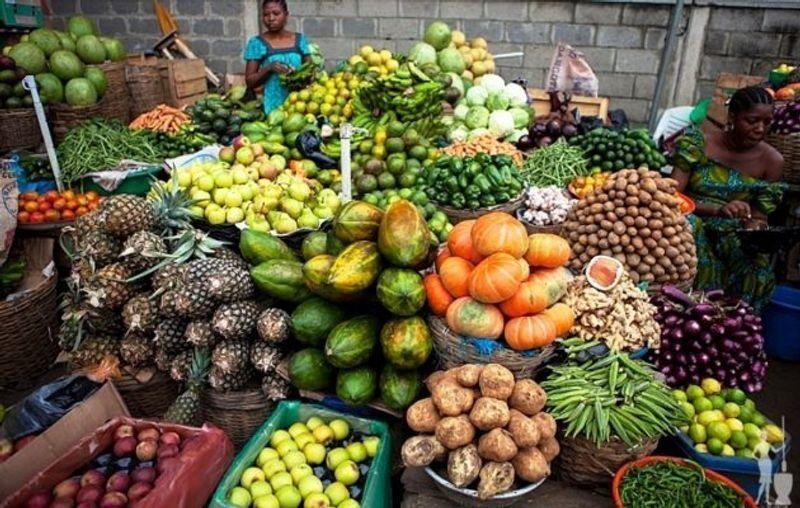
- Nigerians are losing money at the market without even realising it, small tweaks to when and how you shop can save serious naira weekly
- Understanding how demand, delivery schedules, and shopping days influence food prices can help you buy at the right time
- Here are 5 practical, no-cost hacks that can help you stretch your food budget against rising costs
Food prices in Nigeria don't wait for payday anymore. One week, a basket of tomatoes feels affordable; the next, the same money barely fills half your shopping bag.
As inflation continues to squeeze household budgets, many families are discovering that how you shop can be just as important as what you buy.
The good news is that markets aren't as predictable as they seem. Prices rise and fall depending on demand, delivery schedules, and even the day you decide to shop.
While many people blame inflation alone, experienced shoppers know there are small but powerful strategies that can shave thousands of naira off monthly grocery bills without cutting back on nutritious meals.
Here are 5 inflation-beating shopping strategies that can help you spend smarter, negotiate better, and make every naira work harder.
Market hacks to beat inflation
1. Stop shopping on fresh market days
Every local market has that one or two days that is the main market day. Traders raise prices because demand is high, and you pay a premium just to buy pepper.
Instead, go a day or two after. Traders that haven't sold their stock will drop the price because they don't want to carry perishable goods back home.
2. The shadow price trick
Before you enter the market, don't just carry money, carry knowledge. Ask 2-3 different traders the price of the same item before you commit to buying from anyone.
This is called shadow pricing, and traders hate it when customers do it (which tells you everything).
It exposes who's overcharging because they think you don't know better, and trust me, plenty are banking on that.
3. Buy in cooperative bulk not solo bulk
Buying a full bag of rice alone might look smart, but it locks up your money and you may not even finish it before the price changes again.
Instead, team up with 2-3 neighbours or your work colleagues, buy in bulk together, and split it. You get wholesale price without carrying wholesale risk.
4. Timing your protein purchases
Meat and fish prices swing harder than any other food category, sometimes changing week to week depending on supply, fuel cost for transport, and even weather.
Smart shoppers now track when cold-chain deliveries hit their local market (usually early morning) and buy fresh before market women mark it up for "convenience."
Freezing in bulk when price drops, instead of buying small every week, is quietly one of the most underrated inflation hacks right now.
5. Track one price, not everything
You don't need to be an economist to beat inflation. Pick one staple item you buy weekly and track its price every week in your phone notes.
Once you notice a pattern, you start timing your purchases like a pro instead of reacting in panic.
Inflation is not going away because we hope it. But the market is not as fixed as it looks, there's always room to move smarter, spend sharper, and stop leaving money on random tables you don't even remember paying at.
The goal isn't to stop eating well. It's to stop paying the "I didn't think about it" tax every single week.
Food inflation: 5 cheap food items Nigerians used to replace costly ones
Meanwhile, TheRadar earlier reported the strategy that some Nigerians are employing to replace cheap food items with costly ones.
Foods like cucumber stew, plantain moimoi and carrot stew, among others, are some of the foods Nigerians have derived from the use of other food items in their cooking.