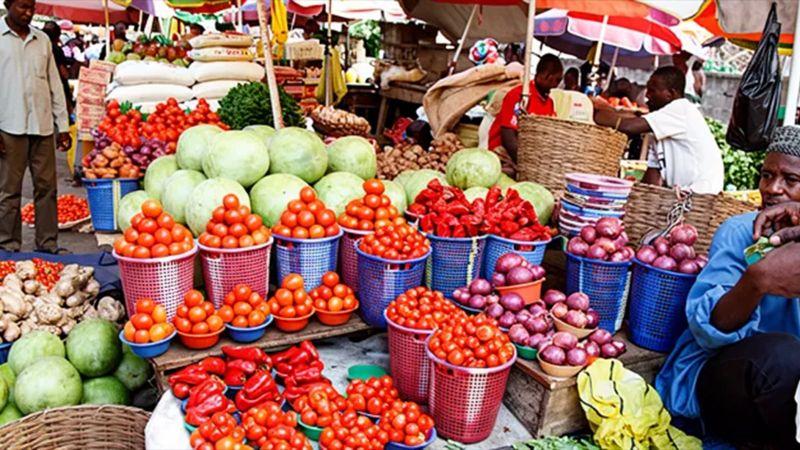
- Nigerians can still reduce monthly food spending with smart buying, cooking and budgeting habits despite rising food inflation
- Small daily changes like meal planning, bulk buying and reducing food waste can save thousands of naira every month
- Here are 15 practical money-saving hacks are designed for workers, students, families and anyone trying to stretch their income further
If you've walked into the market recently and quietly returned one item to the shelf because of the price, you're definitely not alone. Food inflation is 17.8 per cent.
The good news is that you don't always need a bigger salary to spend less. Sometimes, you just need smarter habits.
These 15 money-saving hacks won't magically crash food prices, but they can help you keep more money in your pocket.
15 money-saving hacks to beat food inflation
1. Never shop without a food list
Markets and supermarkets are designed to tempt you. A simple shopping list helps you buy only what you planned for instead of filling your basket with "extras" that quietly drain your wallet.
2. Eat before you go shopping
Shopping while hungry is expensive. Everything suddenly looks necessary, and impulse buying becomes almost impossible to resist.
3. Plan meals for the week
Instead of asking, "What are we eating today?" every evening, decide your meals ahead of time.
Meal planning reduces waste, prevents unnecessary market trips and helps you buy only what you need.
4. Compare prices before buying
The same bag of rice or cooking oil can cost different amounts depending on where you buy it.
Check neighbourhood markets, wholesale shops and supermarkets before making expensive purchases.
5. Buy staples in bulk
Rice, beans, garri and other non-perishable foods are often cheaper in larger quantities.
But only buy in bulk if you have proper storage and enough cash to avoid borrowing later.
6. Choose seasonal foods
When fruits and vegetables are in season, prices usually drop.
Instead of forcing expensive options, buy what's currently abundant.
7. Cook more meals at home
Ordering food every other day may save time, but it rarely saves money.
Preparing meals in batches can reduce both cooking costs and transport expenses.
8. Stop wasting leftovers
Yesterday's rice can become fried rice and soup can be frozen for another day.
Every meal you throw away is money ending up in the bin.
9. Reduce daily soft drink purchases
That daily soft drink or bottled juice may not feel expensive.
But buying one every day for a month adds up faster than most people realise.
Drink more water and reserve soft drinks for special occasions.
10. Split bulk purchases with friends or neighbours
If you can't afford an entire bag of rice, partner with trusted friends or family members and divide the cost.
Everyone benefits from wholesale pricing without carrying the full financial burden.
11. Track every naira you spend
Most people underestimate how much they spend on snacks, drinks and random purchases.
Writing down your expenses, even for one month, can reveal surprising money leaks.
12. Avoid multiple "small" market trips
Every quick visit to buy "just one thing" usually turns into buying three or four extra items.
Plan one major shopping trip instead of several smaller ones each week.
13. Store food properly
Poor storage leads to spoilage. Keep grains dry, refrigerate perishables when possible and use airtight containers to make food last longer.
Saving food is the same as saving money.
14. Take advantage of discounts
A discount isn't a bargain if you weren't planning to buy the item.
Buy discounted products only when they're already on your shopping list.
15. Set a weekly food budget
Decide your food budget before you leave home.
When the money is exhausted, wait until the next budget cycle unless it's a genuine emergency.
Budgeting creates discipline, and discipline protects your wallet.
10 smart money habits helping Nigerians avoid sapa in 2026
Meanwhile, TheRadar earlier compiled a list of 10 financial habits helping Nigerians move beyond survival and towards financial confidence. The rising cost of living in Nigeria is forcing many people to rethink how they earn, spend, and save money.
In 2026, surviving financially is no longer about how much you earn alone, but rather, how well you manage what you have, how many income streams you can build, and how prepared you are for unexpected expenses.