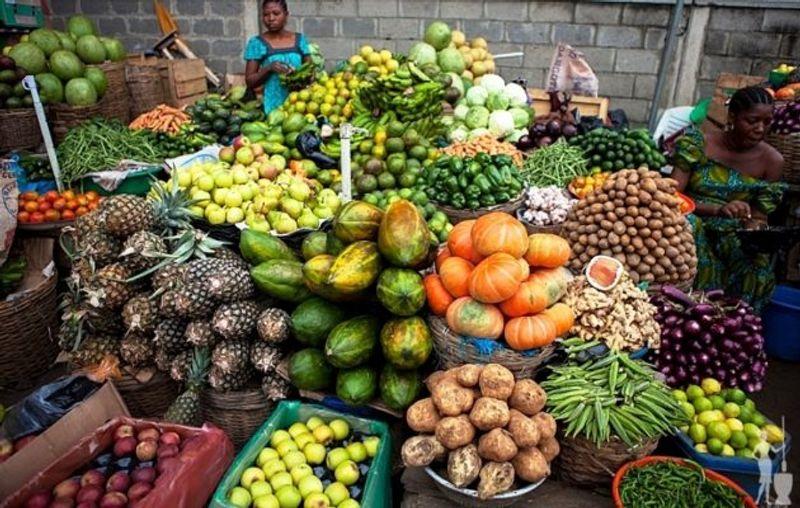
- Rising food prices don't always mean spending more—these 11 practical kitchen hacks can help you stretch every naira
- From smarter meal planning to reducing food waste, small daily habits can significantly cut your monthly food bill
- These simple kitchen tricks require little or no extra money, making them perfect for students, workers, and families trying to beat inflation
If you've stood in front of a tomato seller and just... sighed, this one is for you.
According to the NBS report, food inflation in Nigeria has hit 16.96 per cent as at May 2026, and yet, the salary isn't matching. But before you start eating garri with only "vision" as soup, hold on.
There are kitchen hacks that real Nigerians are quietly using to stretch every naira. Some of them your grandmother already knew. Others, the streets taught us. We put all 11 together for you.
These eleven kitchen hacks can help you waste less, cook smarter, and make every naira work harder.
11 kitchen hacks every Nigerian should know
1. Stop shopping without a meal plan
Walking into the market without a plan is like entering a football match without tactics.
Write down what you'll cook for the next five to seven days before buying anything. Once you know your meals, you'll only purchase what you actually need.
This simple habit cuts impulse buying and reduces the chances of forgotten ingredients going bad in your kitchen.
2. Cook once, eat twice
Gas isn't cheap, neither is your time.
Whenever you're making soup, stew, beans or jollof rice, prepare enough for multiple meals. Divide it into portions and refrigerate or freeze them.
You're not just saving food. You're saving gas, electricity, and transport costs from making extra market trips.
3. Don't throw away vegetable stalks and peels yet
Most Nigerians toss away vegetable stems, carrot peels, onion skins and herb stalks without thinking twice.
Many of these can be used to make homemade stock for soups or stews. Others can be blended into sauces or added to local dishes.
4. Learn the "first in, first out" rule
Here's a hack supermarkets have used for years. Whenever you buy fresh food, move the older items to the front of your cupboard or fridge and place the new ones behind them.
You'll naturally use older ingredients first before they spoil and save thousands over several months.
5. Buy some ingredients in bulk
Foods like rice, beans, garri and dry pepper often last much longer when stored properly. Fresh tomatoes, vegetables and fruits? Not so much.
Buying perishables in excess often leads to waste, especially if your household is small.
6. Your freezer is more powerful than you think
Many Nigerians only freeze meat and fish.
You can freeze pepper mix, chopped onions, fresh herbs, cooked beans, stew, bread and even sliced vegetables.
This means fewer emergency market runs and fewer spoiled ingredients.
7. Make "leftover day" a weekly tradition
This might be the most underrated kitchen hack on this list.
Instead of letting leftovers pile up until they spoil, dedicate one day every week to finishing them.
Turn leftover rice into fried rice, use yesterday's stew for yam, spaghetti or potatoes, and mix small portions into completely new meals.
8. Soak before you cook
Soaking beans, rice for ogi, or even tough meat before cooking cuts your cooking time.
Gas prices have been doing their own too.
Less time on the fire equals more money in your pocket at the end of the month. This one hack alone can knock a visible chunk off your gas refill bill.
9. Swap your protein
Nobody said you must eat meat or fish every single day to be a real Nigerian. Eggs, beans, and even groundnuts are protein too, and right now, they're friendlier to your pocket.
Try a simple rotation: meat or fish twice a week, beans or eggs the other days. Your account balance will know the difference.
10. Track prices
Most people lose money simply because they don't remember what things cost last week, so they can't tell when a seller is trying it.
Keep a small note on your phone that includes market, item, price, and date. In two weeks, you'll start to see patterns: which market is cheaper, which day prices drop, which seller is not your friend.
11. Stop shopping solo
You know that thing where five of you contribute and buy a whole bag of rice or a carton of onions together? That's a saving strategy.
Bulk buying with neighbours, colleagues, or your church/mosque group crashes the price per unit almost every single time.
Start a small WhatsApp group with 3-4 people close to you. Rotate who goes to the market. Split the load, split the cost, and everybody wins.
Nobody knows exactly when food prices will become easier on Nigerian families.
What you can control is what happens inside your own kitchen.
Start with just one or two of these hacks this week.
You may not notice the difference after one meal.
But after a month, your grocery bill and your stress level could tell a completely different story.
Food inflation: 5 cheap food items Nigerians used to replace costly ones
Meanwhile, TheRadar earlier reported the strategy that some Nigerians are employing to replace cheap food items with costly ones.
Foods like cucumber stew, plantain moimoi and carrot stew, among others, are some of the foods Nigerians have derived from the use of other food items in their cooking.