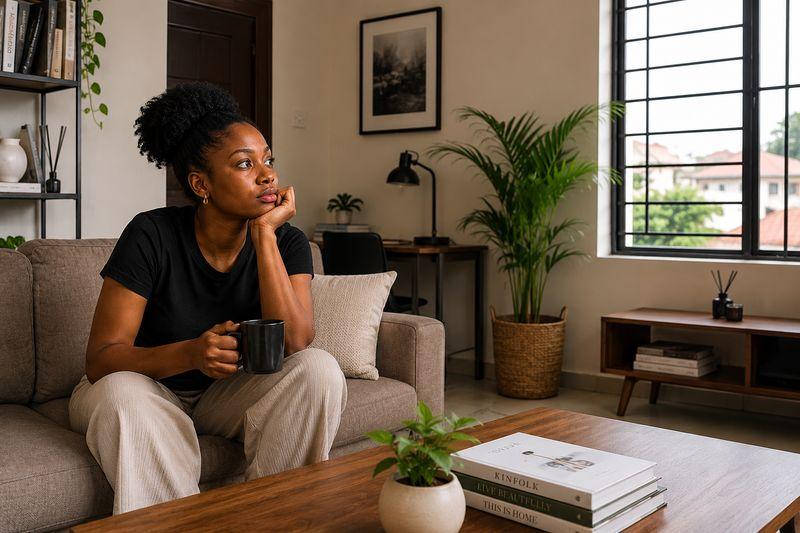
- Living alone in Nigeria is often glamorised, but many people experience unexpected loneliness after moving out
- Here are 10 things nobody warns you about living alone as an independent adult
- Despite the struggles, living alone teaches emotional resilience, self-awareness, and independence
There’s a certain excitement that comes with finally living alone. The freedom, the privacy, the peace, no one asking why you came home late, no siblings entering your room without knocking, and no parents reminding you to turn off the fan or wash plates.
For many people, moving out of the family house feels like the ultimate sign of growth and independence.
Everyone tells you that leaving your comfort zone will make you more productive, mature, and successful. And yes, it can.
But what nobody really tells you is this: living alone can quietly become one of the loneliest experiences of your life.
At first, the silence feels peaceful. Then suddenly, it becomes loud.
You begin to realise that independence comes with hidden emotional bills nobody prepared you for.
From talking to yourself because you haven’t had a real conversation all day to battling anxiety over bills, insecurity, and the pressure of “adulting,” living alone in Nigeria is not always the soft life social media makes it look like.
Here are the things nobody truly tells you about living alone.
10 things you didn't know about living alone
1. Loneliness will hit you unexpectedly
One minute you’re enjoying the freedom, and the next minute, you’re eating Indomie in silence at 1 am wondering why life suddenly feels empty.
Loneliness doesn’t always come dramatically. Sometimes, it creeps in quietly.
It shows up when:
- You get home and nobody asks how your day went
- NEPA takes light and you have nobody to complain with
- You fall sick and realise you’re completely on your own
- You achieve something exciting but have nobody physically around to celebrate with
Many Nigerians move out thinking solitude automatically means peace. But too much isolation can affect your mental health deeply.
And because people expect you to “enjoy freedom,” you may even feel guilty admitting that you’re lonely.
2. Depression can sneak in without warning
Living alone gives you too much time inside your own head.
If you’re already stressed, emotionally overwhelmed, heartbroken, unemployed, or struggling financially, isolation can make those feelings worse.
Some people stop going out, some lose motivation completely, some begin to sleep too much, and others become emotionally numb.
The scary part? It often happens gradually.
You might think: “I just need rest.” “I’m tired.” “I don’t feel like talking to anybody.”
Until weeks pass and you realise you’ve disconnected from everyone.
This is why building human connection while living alone is extremely important.
3. Adulting is expensive
Nobody prepares you for how quickly money disappears when you live alone in Nigeria.
Rent, electricity bills, water, internet subscription, cooking gas, food, fuel, transportation, security fees, and unexpected expenses.
Suddenly, you understand why your parents used to complain about wasting food and leaving lights on.
Even buying small things becomes painful because every single expense now comes from your pocket.
Some months, survival becomes the only goal.
4. You become your own therapist
There are days when you’ll cry alone, laugh, overthink, and motivate yourself. Living alone teaches emotional self-reliance whether you’re ready or not.
You’ll have moments where you desperately need comfort but there’s nobody physically there to hug you or distract you from your thoughts.
Many people living alone in Nigeria survive by journaling, praying, watching comfort movies, calling loved ones regularly, joining online communities, or going outside more often.
Because staying trapped indoors with your thoughts for too long can become unhealthy.
5. Silence become addictive
This is one of the strangest things about living alone.
After a while, you may become too comfortable being alone. You stop replying to messages quickly, you avoid calls, you cancel outings, and you enjoy isolation a little too much.
At first, it feels peaceful. Then suddenly, social interaction starts feeling stressful.
That’s how isolation slowly becomes a lifestyle.
6. Nobody warns you about fear
Living alone can sometimes feel scary, especially in a country like Nigeria where insecurity is
Every strange sound at night suddenly feels suspicious, you double-check locks repeatedly, and become hyper-aware of security issues.
If you’re a woman especially, the anxiety can be worse.
There are nights when generator sounds, footsteps, or random knocks can trigger panic. This constant alertness can become mentally exhausting.
7. Illness feels different when you’re alone
Being sick while living alone is a different type of suffering. Nobody is bringing you food, reminding you to take drugs, or helping you buy medication.
You’ll still have to stand up and take care of yourself no matter how terrible you feel.
That’s when you truly understand the value of companionship and support systems.
8. You talk to yourself more than you realise
And honestly? It’s normal. When you spend too much time alone, your brain naturally looks for stimulation.
So yes, you’ll talk to yourself, practice fake arguments, laugh at random thoughts, and have full conversations in your head.
Sometimes your own voice becomes your company.
9. Freedom can easily turn into bad habits
Living alone means nobody is monitoring you. You can sleep at 3 am every day, eat junk constantly, ignore chores for weeks, or stay indoors all weekend.
At first, it feels liberating, then suddenly, your routine becomes unhealthy.
Without discipline, freedom can quietly destroy structure.
10. You will know yourself deeply
Despite all the challenges, living alone teaches self-awareness in ways nothing else can.
You discover your emotional triggers, your coping mechanisms, your spending habits, your fears, your strengths, and what genuinely makes you happy.
Living alone forces you to confront yourself without distraction.
And while it can be painful sometimes, it can also help you grow emotionally and mentally.
Living alone is not just about freedom and aesthetics. It’s also about loneliness, responsibility, emotional survival, and learning how to exist with yourself every single day.
Yes, moving out can help you grow. Yes, independence is beautiful.
But nobody talks enough about the emotional weight that sometimes comes with it.
So if you’re living alone and struggling silently, know this: you are not weak, lazy, or ungrateful.
You are simply human.
And sometimes, the hardest part of independence is realising that freedom can feel lonely too.
Living alone for first time? Here’s an adult checklist you need
Meanwhile, TheRadar earlier reported that living alone for the first time is a rite of passage, an exciting leap into adulthood that brings equal parts freedom and responsibility.
From figuring out how to unclog a sink without calling your dad to deciding whether cereal qualifies as dinner, this phase is all about discovering your rhythm and building a life that runs on your terms.
Here is an ultimate adulting checklist, your go-to guide to help you navigate this exciting new chapter with confidence, grace, and a little bit of style.