- NEC has approved 112 as Nigeria’s official national emergency number
- The move is aimed at creating a faster, unified, and more coordinated emergency response system
- NEC said the reform is designed to reduce delays caused by bureaucracy during emergencies
The National Economic Council (NEC) has approved 112 as Nigeria’s official national emergency number, in a move aimed at creating a faster and more coordinated response system for emergencies across the country.
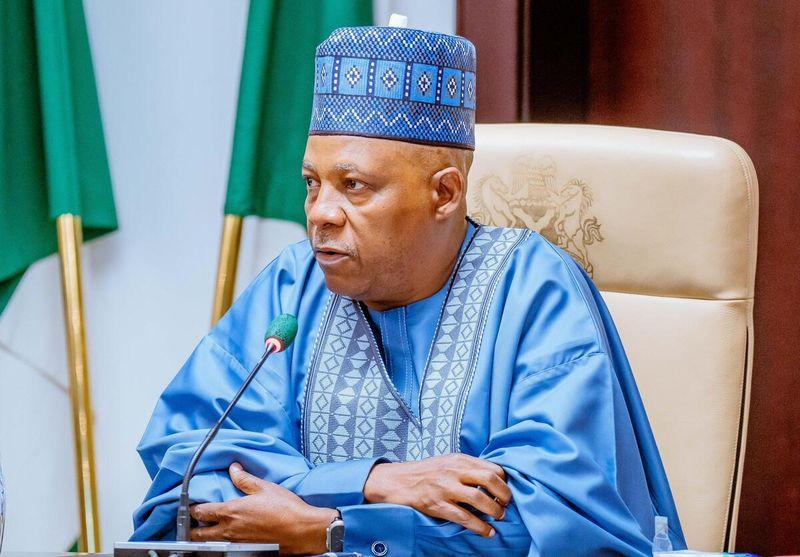
The decision was taken at the 157th NEC meeting, held virtually on Thursday, April 30, and chaired by Vice President Kashim Shettima.
The adoption of 112 is part of a broader plan to strengthen Nigeria’s emergency response framework by establishing a single, easy-to-remember national number that citizens can call in times of distress.
To drive implementation, NEC also approved the creation of a multi-agency implementation committee and programme coordination structure to be led by the Office of the Vice President and the Nigerian Communications Commission (NCC).
Speaking at the meeting, Shettima said the move was necessary to eliminate delays caused by bureaucracy and ensure Nigerians can access urgent help without confusion during emergencies.
“This is not only a technical reform. It is a test of the state’s humanity,” the vice president said.
“In moments of fire, accident, robbery, medical emergency, flood, violence, or panic, citizens do not need bureaucracy. They need a response. They need to know one number to call, one system to trust, and one coordinated chain of action that moves quickly enough to save lives.”
Shettima noted that while Nigeria already has an emergency number in place, the challenge has never been its existence but the lack of coordination, public awareness, and institutional trust needed to make it effective.
“Nigeria is not beginning from zero,” he said, adding that what is now required is “coordination, adoption, standard operating procedures, public awareness, institutional ownership, and trust.”
He described the council as the country’s economic engine room and urged members to focus on policies that deliver practical outcomes for Nigerians.
“We cannot build our way to a one-trillion-dollar economy by federal effort alone. We cannot create millions of jobs by speeches alone,” Shettima said.
He added that meaningful national progress would require urgency and commitment from every level of government, stressing that the impact of policy decisions must be felt by ordinary Nigerians.
“History will not ask how many meetings we held. It will ask what changed because we met,” he said.
Beyond the emergency response decision, NEC also reviewed progress on the rehabilitation of police training institutions nationwide.
The council received a presentation from its ad hoc committee chaired by Enugu State Governor Peter Mbah and commended the work already done.
NEC further directed the Ministry of Finance to fast-track the release of the remaining approved funds for the project and asked the committee to ensure that police training institutions in each geopolitical zone are included in the first phase of the intervention.
The decision to adopt 112 is expected to improve emergency coordination nationwide and provide Nigerians with a clearer, more reliable lifeline during crises.
NEC orders governors to pay N200m each for national cultural tourism project
Meanwhile, TheRadar earlier reported that the National Economic Council (NEC) had directed the 36 state governors and the Federal Capital Territory Administration to contribute N200 million each to support the Renewed Hope Cultural Project and Naija Season, a new national platform designed to unify Nigeria’s cultural and tourism calendar.
The initiative is expected to bring together festivals, tourism events, cultural showcases and creative economy activities from all 36 states and the FCT under one national platform.