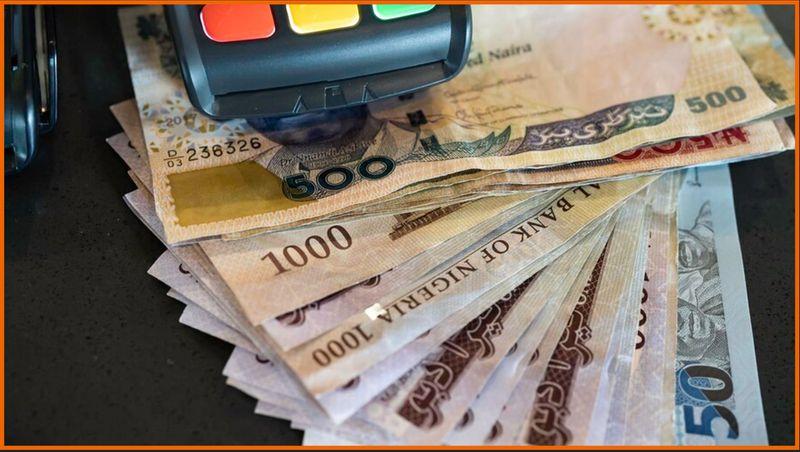
- The cost of living in Nigeria has been rising in recent times, making it harder for people to make ends meet
- With the prices of food, rent, and transportation going up due to inflation, it raises questions about how people earning the minimum wage can get by
- Here is a breakdown of how Nigerians who earn N70,000 might spend their money monthly
In recent times, Nigeria's economic situation has worsened due to rising inflation, fluctuating exchange rates, and a cost of living that seems to be skyrocketing by the day.
With the new minimum wage set at N70,000 Naira, many Nigerians find themselves grappling with the harsh reality of making ends meet. 10 years ago, this amount might have been seen as a decent income, but now, it is worth next to nothing as it cannot even buy a 50-kilogram bag of rice.
The quality of life of individuals currently living on this wage is worsening as the costs of basic necessities, such as food, transportation, and housing, continue to skyrocket.
It's essential to break down typical monthly expenses to understand how a person earning the minimum wage navigates everyday life.
TheRadar explores how this income can be budgeted and allocated to various needs, such as feeding, clothing, rent, and more, to determine whether it’s possible to live a comfortable life on N70,000.
Monthly breakdown of expenses for N70,000 minimum wage
Rent - N20,000
Finding an affordable apartment is difficult in Nigeria, especially in the urban areas. For many, this means settling for a small one-bedroom apartment or shared accommodation. Saving N20,000 for rent might allow you to find a basic living space, but it often comes with the risk of living in less desirable neighbourhoods. Putting N20,000 aside each month means you should be able to afford a room for about N240,000, excluding the extra charges like agency fees, caution fees, agreement fees and others.
Feeding - N25,000
The cost of food has risen significantly due to inflation. A monthly budget of N25,000 for feeding allows for basic staples like rice, beans, and vegetables, but it can be very limiting. You may have to decide when to have a meal in a day, which is more important? Breakfast, lunch or dinner. You could also eat one plate of food for all three meals because, let’s be realistic, with a N25,000 feeding budget, you cannot afford to have two meals a day with the current economic situation of the country.
Transportation - N10,000
For many Nigerians, public transport is the primary means of getting around. Whether it’s taking a bus, using ride-sharing services, or commuting by motorcycle or taxi, transportation can quickly eat into a budget. Setting aside N10,000 can cover daily commutes for work if you live close to work and spend less than N500 per day. Although, it might not be enough as the hike in fuel prices has driven the cost of transportation high. So, if your workplace is close to your house, you could explore trekking, as this will help you stay fit. You could also carpool with colleagues who live close to you.
Utilities (Electricity) - N5,000
Utility costs vary, but budgeting around N5,000 for electricity may cover basic needs. However, power outages and additional fuel costs can create unexpected expenses.
Internet Subscription - N5,000
In today's digital age, internet access is essential for both personal and professional use. A monthly subscription of N5,000 for mobile data allows for connectivity but may limit data usage for streaming or downloading content.
Groceries and Toiletries - N3,000
This budget includes essential items like soap, toothpaste, and other personal care products. With inflation driving prices up, N3,000 for groceries and toiletries is tight, and this means you might have to buy cheap items.
Clothing - N2,000
Clothing expenses are often overlooked, especially when daily essentials are more important. A budget of N2,000 may cover the occasional clothing purchase, but it will require thrift shopping or second-hand options.
Savings - N2,000
Despite the tight budget, setting aside N2,000 for savings is important, even if it feels too small. This could help in emergencies or future expenses, but it may not be feasible for everyone.
Miscellaneous - N3,000
Life often throws unexpected expenses our way, so it's crucial to have a cushion for miscellaneous costs, like health emergencies, social obligations, or small household repairs. A budget of N3,000 can help cover these unforeseen costs.
Living on a minimum wage of N70,000 in Nigeria is undoubtedly challenging in the current economy. It may be possible to cover essential expenses with careful budgeting, but there is little to no room for emergencies or luxuries. Many Nigerians, including those who earn above N70,000, also live paycheck to paycheck, taking loans to meet their needs and bills.
It’s possible to get by on this income, but it doesn’t provide a comfortable lifestyle. With inflation still rising, many Nigerians question if the minimum wage will ever be enough for a stable and fulfilling life.
8 tips to survive fuel scarcity in Nigeria
Meanwhile, TheRadar earlier reported on how to manage daily life when fuel becomes scarce in Nigeria.
Tips like carpooling, using public transport, buying fuel in bulk, exploring alternative power sources, and working from home can help you survive fuel scarcity.