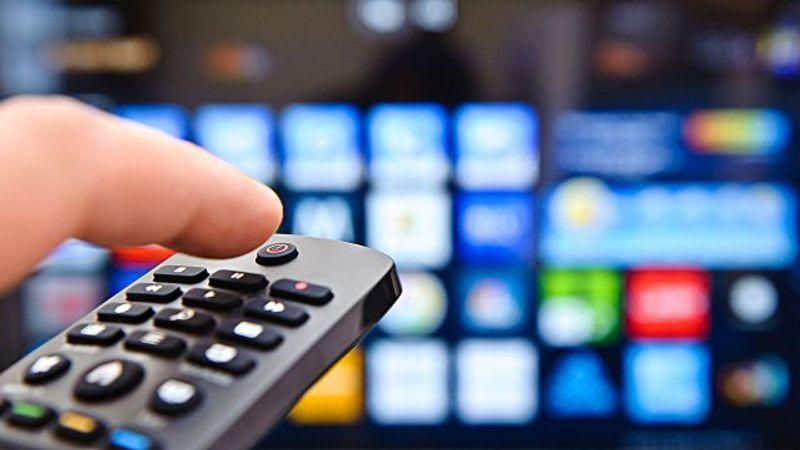
- The Federal Government's Digital Switch Over is quietly rolling into new states, and smart content creators can tap into millions of first-time digital TV viewers before the competition wakes up
- DSO opens up new broadcast channels, local content quotas, and government-backed platforms that creators can pitch to and monetise through
- From repurposing YouTube content for digital terrestrial TV to landing deals with emerging Free-to-Air channels, this piece breaks down the exact moves creators need to make right now
Millions of Nigerians are about to get digital TV for the first time and content creators who ignore this will regret it
The government just handed you a new audience of millions. Here's how to grab it before other creators do
Your next 100,000 fans may not have Instagram accounts, but rather DSO decoders. here's how to reach them:
Your next 100,000 fans have a DSO decoder
While you're fighting algorithm changes on Instagram and praying your YouTube Shorts go viral, the Federal Government just quietly switched on the biggest content distribution opportunity Nigeria has seen in a decade.
Nobody's talking about it in creator spaces. That's exactly why you should be paying attention.
The Digital Switch Over, the government's programme to move Nigeria from analogue to digital terrestrial TV, is expanding to new states, and it's about to put millions of brand-new digital TV viewers in rooms where your content could be playing. The question is: will you be ready?
What is DSO?
DSO is Nigeria's government-led project to replace old analogue TV signals with digital ones across the country. Nigeria's NBC (National Broadcasting Commission) began the DSO rollout, starting with Lagos, Abuja, and Rivers State as pilot zones, with a phased national expansion plan.
When a state "switches over," analogue TV dies and residents need a decoder, called a Set-Top Box (STB), to continue watching TV.
Here's where it gets interesting for you as a creator. More channels, more platforms, and more gaps begging to be filled with content people actually want to watch.
The audience nobody is fighting for yet
Nigeria has a massive population that still consumes content through television, not just on a phone screen.
These aren't just grandparents watching NTA. These are young people in smaller cities, market traders, students in hostels, and families in suburbs who watch hours of TV daily, and under DSO, they now have access to 30, 40, even 50+ Free-to-Air digital channels instead of the 3 or 4 they got with analogue.
And most of those channels are starving for content.
This is the open loop you need to think about: What happens when there are dozens of new TV channels and not enough local creators to fill them?
The content quota rule that's about to be your best friend
The NBC mandates that Nigerian broadcast stations, including digital Free-to-Air channels, must air a certain percentage of local Nigerian content.
That rule exists whether the channel has a budget for original productions or not. Many of the newer digital channels coming online through DSO don't have full production teams.
They need creators. They need you. This isn't a rumour, it's a business gap that sharp creators are starting to notice.
How to position yourself for DSO money
Here are the moves worth making right now:
1. Identify the new digital channels in your niche
Under the DSO multiplex system, new channels are launching that cater to specific audiences, religion, agriculture, youth entertainment, news, education. Research who's running those channels and get their email. You're not a fan, you're a content vendor.
2. Reformat your best content for TV
Your YouTube videos, your documentary-style reels, your interview series, these can be repurposed into TV-ready formats. The minimum specs for broadcast video content differ from social media (higher bitrate, specific resolution requirements), but the raw content can be yours.
Think about your top 10 performing videos. At least three of them could live on TV with some editing.
3. Pitch a show, not just content
TV channels don't want a random upload. They want a format, a recurring show with a premise. "Episode 1 of 12" is more valuable to a channel than a one-off clip.
If you've been doing a weekly YouTube series, you're already halfway there. Package it, write a one-page pitch doc, add your view stats, your engagement numbers, and your audience demographics. That's your TV pitch deck.
4. Target the states being switched on now
DSO is rolling out in phases. When a new state switches over, local advertisers in that state suddenly need local digital TV placements.
A show that specifically serves that state's audience becomes very attractive to local advertisers overnight. Think state-specific lifestyle content, local news commentary, business interviews featuring traders and entrepreneurs in that area.
This is a land-grab moment. The creators who plant their flags now will look like geniuses in 18 months.
How do you get paid?
1. Licensing deals: You sell the rights to air your content for a season.
2. Sponsored segments: Your show airs, and within it, you run sponsored content for local brands who want to reach that TV audience. You negotiate this directly or through a media agency.
3. Co-production deals: The channel funds part of your production in exchange for broadcast rights. You retain online rights (YouTube, TikTok, Instagram) and they get the TV run. You eat twice from the same content.
That last model is the most creator-friendly. Push for it in your negotiations.
DSO mistake that can cost you
Here's the thing most creators will do: they'll wait. They'll say "let me see how it plays out." They'll keep chasing 1,000 Instagram followers while not noticing that a digital TV channel targeting the same demographic just went live in their state.
By the time they're ready, the channel's signed a deal with someone else. The early creator got the relationship, the recurring fee, and the credibility of "as seen on TV," which, by the way, still carries enormous weight with Nigerian advertisers and brand managers.
Don't be the creator who hears about this in 2027 and wishes they'd moved in 2025.
Quick action checklist before you leave this page
- Research which DSO multiplexes are active in your state and what channels they carry.
- List 3 of your best-performing content series that could be reformatted as a TV show.
- Find the contact info for programming managers at 2 digital Free-to-Air channels.
- Write a one-page show pitch with your format, your audience data, and your ask.
- Talk to a media rights lawyer before signing anything. Protect your online rights.
DSO isn't just a government infrastructure project. It's a redistribution of the audience. Millions of Nigerians are about to join a digital TV ecosystem that has more channels than ever, and not enough compelling content to fill them.
The creators who understand this now, move fast, and pitch professionally will carve out audiences, income streams, and brand partnerships that most of their peers won't even know are possible.
The switch has been flipped. The question is whether you're building for where the audience is going, or still chasing where it's been.
Beyond content creation: 10 hidden remote tech jobs paying Nigerians in foreign currency
Earlier, TheRadar reported that while thousands of Nigerians are fighting for views, likes, and brand deals, a quieter group is cashing out from remote tech jobs most people have never heard of.
TheRadar has compiled a list of 10 hidden remote tech careers that could provide a more predictable path to earning dollars, pounds, and euros than chasing viral content.
Some of these roles don't require coding, a computer science degree and unlike content creation, your income isn't ti
ed to whether an algorithm decides to show your work today.